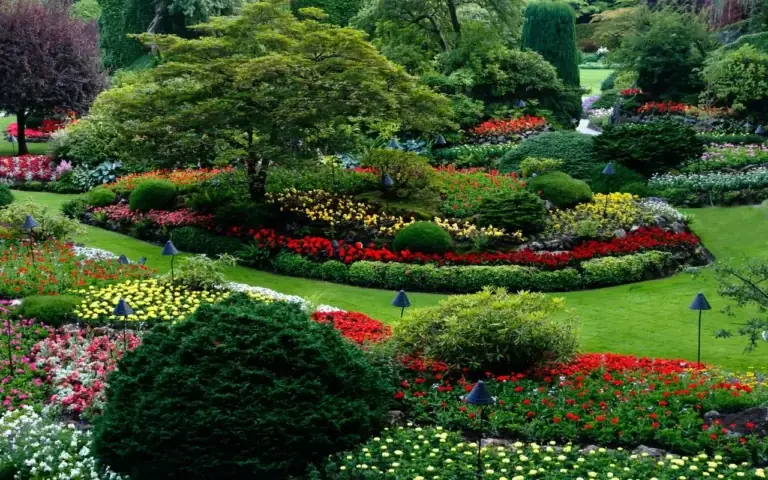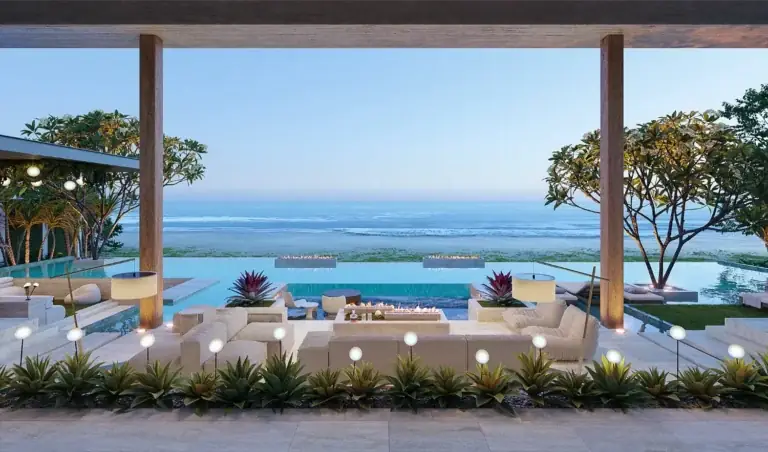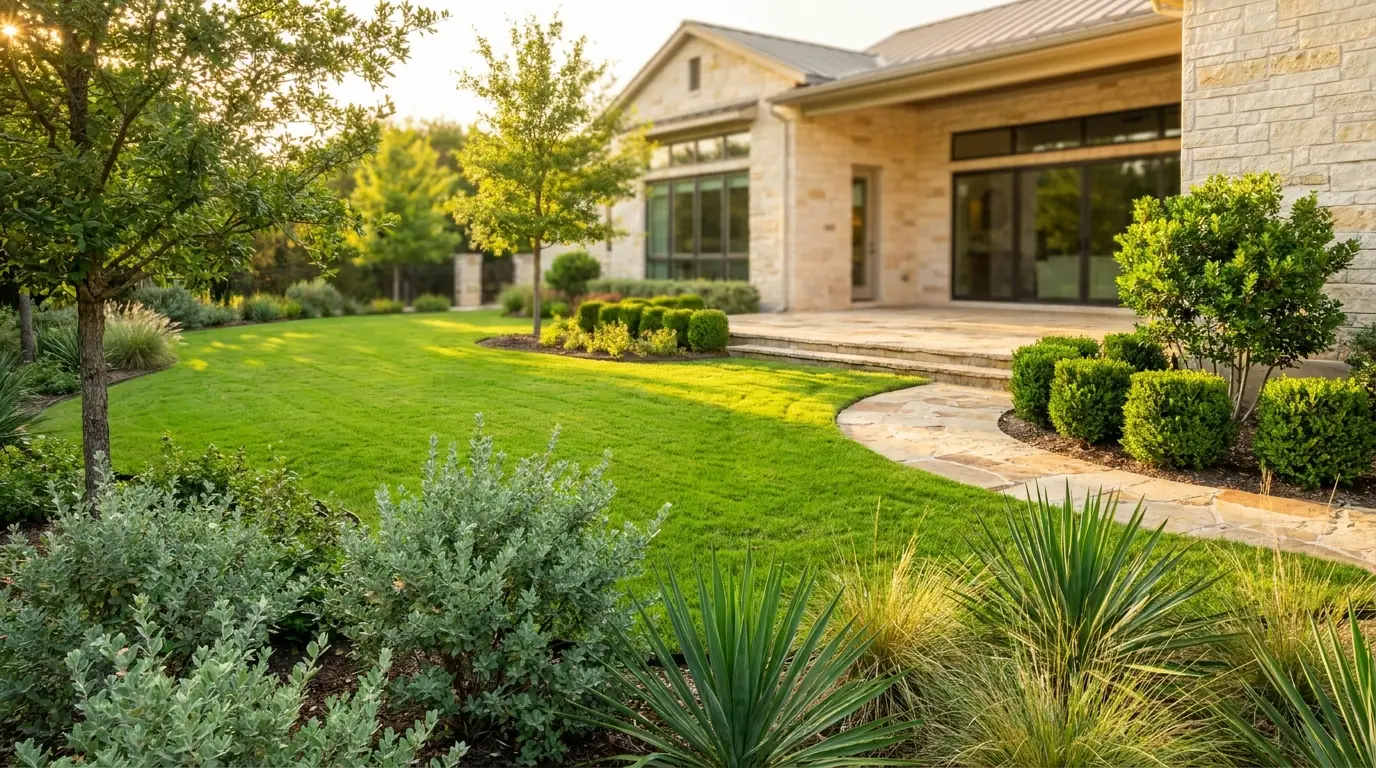
Premier Residential Landscaping USA: The Definitive Guide to Estate Stewardship
The discourse surrounding high-end outdoor environments in North America frequently defaults to visual superficiality. Consequently, expansive residential terrain is often reduced to neat turf boundaries, manicured shrubbery, and architectural hardscaping. Yet, beneath these surface layers lies a complex synthesis of regional ecology, civil engineering, municipal regulation, and long-term capital preservation. Crafting exceptional outdoor spaces is not merely an exercise in cosmetic planting. Furthermore, it is the deliberate orchestration of living biological systems alongside permanent structural infrastructure. Understanding these domains requires looking beyond the marketing veneer of luxury property development. Specifically, we must examine the fundamental mechanics that support high-caliber domestic environments across varied North American topographies.
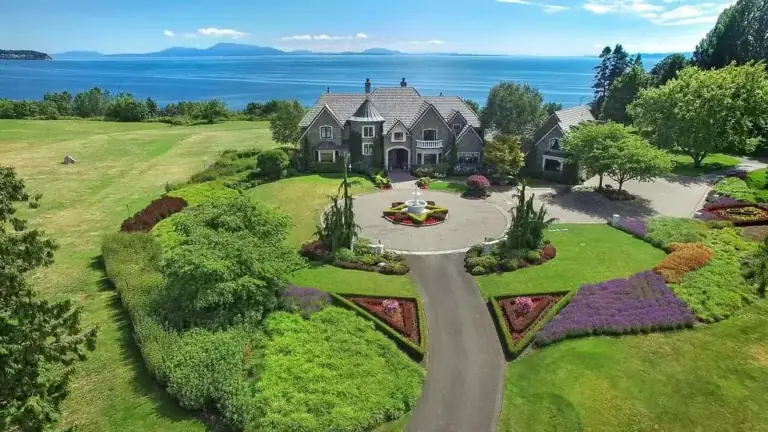
Across the United States, elite grounds reflect distinct environmental constraints, climatic extremes, and regional cultural histories. For example, a sprawling historic estate in the Hudson Valley operates under entirely different hydrological realities and legal preservation frameworks. Meanwhile, a modern desert compound in Paradise Valley or an oceanfront property in the Pacific Northwest faces unique challenges like dune erosion and strict coastal rules. These environments function as private micro-ecosystems. Therefore, they must balance aesthetic objectives with stormwater management, wildfire mitigation, soil biology, and structural longevity. Consequently, the study of high-caliber land development serves as a critical window into broader discussions concerning land use, environmental adaptation, and architectural permanence.
This analysis investigates the structural, financial, and operational realities governing these spaces. By dissecting foundational models—from micro-climate adaptation to multi-year asset maintenance—this guide provides a rigorous blueprint for evaluating, designing, and sustaining exceptional properties. Ultimately, the objective is to strip away romanticized notions of outdoor luxury. In their place, we offer operational clarity, providing a definitive reference for property owners, landscape architects, civil engineers, and estate directors navigating the complexities of high-performance spatial stewardship.
Understanding “premier residential landscaping usa”
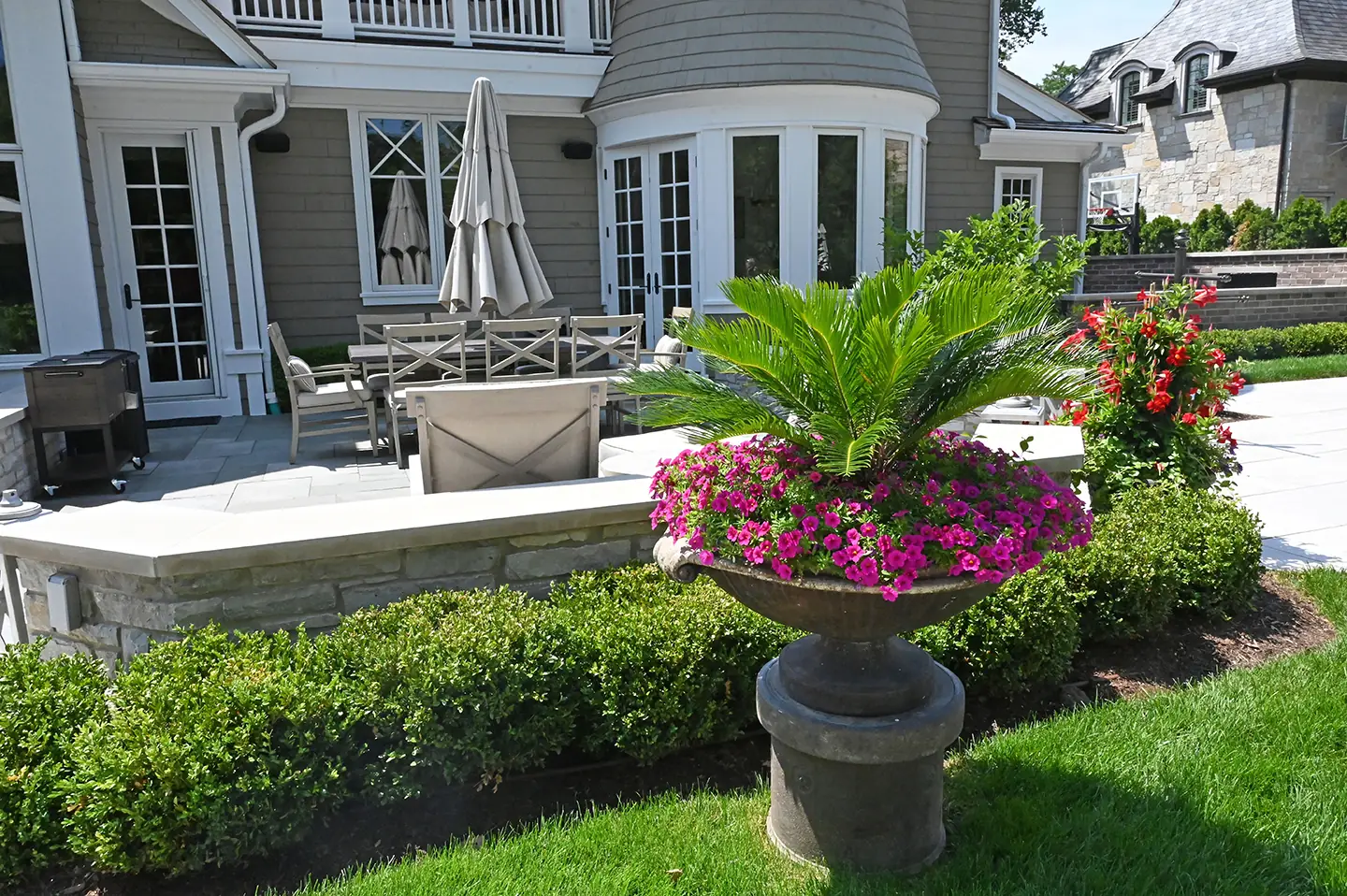
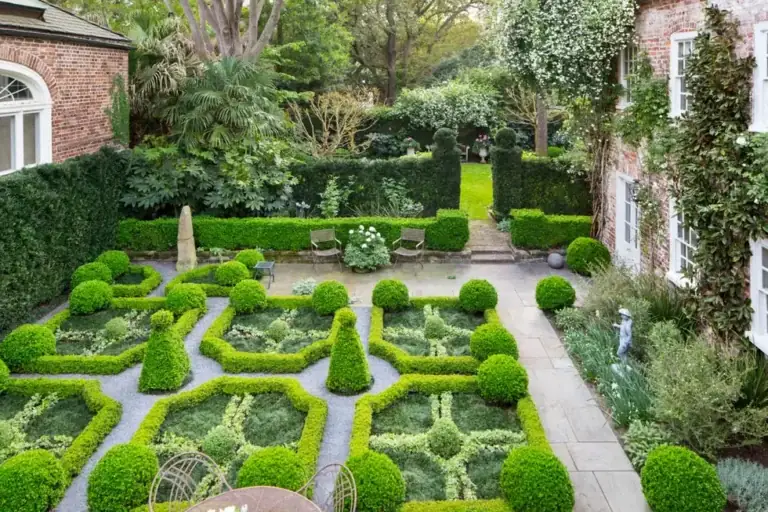
The phrase premier residential landscaping usa denotes high-value property development and environmental curation. Typically, it is associated with luxury residential real estate, historic preservation, and custom architectural compounds characterized by exceptional spatial design, rigorous horticultural maintenance, and significant capital investment. However, this definition frequently suffers from oversimplification. Casual observers often mistake sheer scale for quality. Consequently, they assume that vast acreage automatically constitutes a superior outdoor environment. In practice, however, a meticulously managed urban-adjacent historic garden in Charleston can demand far more sophisticated engineering and horticultural intervention than a large, uncultivated rural parcel.
A common misconception is that elite outdoor spaces are static finishes. Many assume they are final products delivered upon the departure of the construction crew. In reality, these properties are intensely dynamic biological and mechanical systems. Therefore, they require constant calibration against shifting weather patterns, invasive pest pressures, infrastructure aging, and evolving zoning codes. Treating a high-value landscape as a static painting rather than an evolving metabolic entity almost invariably leads to rapid ecological decline and costly remedial intervention.
Furthermore, viewing these spaces purely through the lens of private recreation overlooks their broader environmental footprint. Large-scale residential properties frequently act as local micro-watersheds, wildlife corridors, and thermal regulators. They intersect directly with municipal stormwater mandates, agricultural buffers, and regional conservation easements. Evaluating what constitutes top-tier outdoor curation requires looking beyond immediate visual impact. Specifically, evaluators must assess soil microbiome health, hydrological efficiency, structural retention integrity, and long-term resilience under environmental stress.
Deep Contextual Background: The Evolution of American Estate Landscapes
The lineage of high-end property design in the United States traces a distinct arc. It moves from early colonial agricultural self-sufficiency to the Gilded Age country place era, and ultimately into the contemporary framework of data-driven, ecologically conscious stewardship. Early American elite landscapes, such as those found in Tidewater Virginia or the Hudson Valley, were heavily influenced by formal European traditions. In particular, designers leaned on English picturesque and French formal geometry, which they awkwardly adapted to untamed native flora and severe labor shortages. These early iterations frequently relied on exploited labor to maintain an illusion of effortless pastoral order.
By the late nineteenth and early twentieth centuries, the American Country Place Era transformed the landscape paradigm. Landscape architects such as Beatrix Farrand, Frederick Law Olmsted Jr., and Charles Platt designed expansive estates. These designers deliberately blurred the boundary between constructed architecture and native wilderness. These properties served as physical manifestations of industrial capital. Furthermore, they were engineered with massive labor forces and complex gravity-fed water systems, yet they established an enduring American vernacular that respected regional topography rather than blindly imposing European templates.
In the late twentieth century, suburbanization and mass technological automation temporarily diluted the craft of specialized estate design. As a result, the industry favored chemical-heavy, uniform turf maintenance models. However, the twenty-first century has catalyzed a profound correction. Contemporary owners of high-value properties face escalating environmental constraints. These include severe water scarcity in the West, erratic precipitation events in the East, and widespread habitat fragmentation. Consequently, the evolution of contemporary grounds has pivoted back toward native plant integration, advanced subterranean water harvesting, and rigorous biological soil management. Overall, this shift marks a return to a sophisticated synthesis of art, science, and environmental adaptation.
Conceptual Frameworks and Mental Models for Land Stewardship
Navigating the complexities of high-end property ownership requires structured mental models. These models synthesize ecology, economics, and architectural design.
1. The Metabolic Landscape Model
This framework views a property not as a collection of static assets, but as a living metabolism. It requires continuous inputs like water, nutrients, capital, and labor, alongside outputs like biomass and stormwater runoff. When evaluating an outdoor space, managers must trace how an intervention alters the site’s overall metabolism. For instance, installing a non-porous stone courtyard directly changes local hydrology and thermal retention.
2. The Ecological Succession Horizon
Elite grounds often attempt to freeze a landscape at a specific stage of maturity. This mental model forces managers to acknowledge natural succession. Unmanaged, an open meadow transitions into scrubland. Similarly, a managed woodland closes its canopy, suppressing understory vegetation. Successful stewardship requires active, intentional management to guide or arrest succession without relying on brute-force chemical applications.
3. The Capital-to-Labor Ratio Matrix
Every landscape feature carries an inherent ratio of upfront capital cost to ongoing labor demand. Formal boxwood parterres, for example, require low initial relative cost compared to their lifetime maintenance burden. Conversely, a well-established native prairie restoration demands high upfront design effort, but enjoys a declining maintenance curve over decades. Understanding this curve prevents owners from building landscapes they cannot sustainably staff.
4. The Functional Layering Principle
This model divides an estate into concentric operational zones. These include the immediate architectural transition zone, the intermediate recreational zone, and the peripheral ecological zone. Applying this principle ensures that financial and labor resources are allocated proportionately. Rather than treating the entire property with uniform intensity, managers focus resources where they matter most.
Key Categories, Variations, and Comparative Trade-Offs
High-end properties across the United States generally fall into distinct categorical archetypes. Each archetype is dictated by geography, climate, and historical intent.
-
Historic Preservation Estates: Properties bound by historical registers or conservation trusts, where alterations to hardscaping or legacy vegetation are legally restricted.
-
Modern Architectural Compounds: Contemporary minimalist designs prioritizing clean lines, glass-to-ground architectural transitions, and specialized architectural concrete.
-
Equestrian & Agricultural Acreage: Working or semi-working ranches and farms where operational utility merges seamlessly with residential luxury.
-
Coastal & Waterfront Sanctuaries: Properties facing harsh marine environments, saltwater intrusion, dune preservation mandates, and severe wind and erosion vectors.
-
Mountain & Alpine Retreats: High-altitude terrain characterized by short growing seasons, heavy snow loads, severe wildfire risks, and fragile subalpine soils.
-
Desert & Arid Sanctuaries: Properties relying entirely on engineered xeriscaping, efficient drip infrastructure, and thermal mass management to tame extreme temperatures.
Comparative Landscape Typologies
| Typology | Primary Vulnerability | Capital Intensity | Labor Demand | Regulatory Burden |
| Historic Preservation | Material decay, strict code compliance | Very High | High | Extreme |
| Modern Minimalist | Flawless joint failure, glass weathering | High | Moderate-High | Moderate |
| Equestrian / Ag | Soil compaction, runoff, infrastructure wear | Moderate-High | Very High | High (Environmental/Zoning) |
| Coastal / Waterfront | Storm surge, salt spray, erosion | Extreme | High | Extreme (DEP/Coastal Commissions) |
| Mountain / Alpine | Wildfire, heavy snow loads, soil slip | High | Moderate | High (Forest Service/Zoning) |
| Desert / Arid | Water scarcity, extreme UV degradation | Moderate | Moderate | Moderate |
Decision Logic for Typology Selection
Choosing a property within these categories requires matching personal operational appetite with environmental reality. An owner who is unwilling to navigate complex municipal coastal boards should avoid waterfront acreage. Similarly, purchasing an alpine retreat without accounting for specialized winter mechanical clearance risks severe logistical failure. The optimal choice balances aesthetic ambition with local ecological carrying capacity.
Detailed Real-World Operational Scenarios
To understand how these principles manifest in practice, consider several common operational scenarios encountered in high-end land management across the United States.
A : Remediation of an Aging Coastal Estate
-
Constraints: Strict wetlands protection acts, severe winter nor’easters, and declining mature copper beeches suffering from root compaction.
-
Decision Points: Estate directors must choose whether to install hard engineered bulkheads or employ living shoreline techniques like coir logs and native salt marsh grasses.
-
Failure Modes: Pouring concrete seawalls reflects wave energy, which accelerates erosion on neighboring parcels and undermines the estate’s own foundations.
-
Second-Order Effects: Restoring the living shoreline successfully re-establishes local fish nurseries. However, it requires tolerating a taller, less manicured vegetation buffer between the lawn and the water.
B : Wildfire Mitigation on a Mountain Compound
-
Constraints: Severe drought cycles, steep slopes, and dense coniferous overstory within defensible space zones.
-
Decision Points: Managers must strike a balance between absolute fire safety and aesthetic privacy or shade requirements.
-
Failure Modes: Thinning the canopy too aggressively without re-establishing native groundcovers leads to massive topsoil erosion during spring snowmelt.
-
Second-Order Effects: Implementing continuous crown separation and replacing flammable evergreens with deciduous species fundamentally alters the microclimate by increasing summer wind penetration.
C : Water Rights and Irrigation Management in the Desert
-
Constraints: Strictly adjudicated well water rights, severe municipal water surcharges, and intense summer heat trapping saline residues.
-
Decision Points: Owners face choices regarding whether to transition to localized hydro-zoning or invest in private reverse-osmosis well-treatment systems.
-
Failure Modes: Over-relying on automated drip systems without periodic deep-leaching flushes causes salt build-up, killing specimen desert plants.
-
Second-Order Effects: Lowering overall water consumption reduces energy bills, but requires educating guests on seasonal visual shifts as native plants enter dormancy.
Planning, Capital Allocation, and Resource Dynamics
Maintaining elite property grounds requires a disciplined approach to capital allocation. Unlike standard residential real estate, where maintenance budgets are reactive, high-end grounds operate on multi-year capital expenditure (CapEx) and operational expenditure (OpEx) forecasting models.
Direct costs encompass specialized horticultural labor, advanced irrigation infrastructure, arboricultural care, organic soil amendment programs, and heavy equipment maintenance. Indirect costs, however, frequently exceed direct outlays. These include property tax assessments driven by acreage improvements, specialized liability insurance for high-risk features, and opportunity capital tied up in maintenance infrastructure.
Financial Allocation Framework
| Expenditure Category | Typical Focus Areas | Cost Variability | Strategic Objective |
| Routine OpEx | Mowing, pruning, weed control, seasonal cleanups | Low-Moderate | Maintain baseline operational neatness |
| Specialized OpEx | Arborist care, soil testing, pest/disease mitigation | Moderate | Preserve biological asset value |
| Preventative CapEx | Drainage overhauls, hardscape repointing, tree cabling | High | Prevent catastrophic failure |
| Discretionary CapEx | Major redesigns, lighting upgrades, pool/water features | Extreme | Enhance spatial utility and aesthetic value |
The primary financial risk in land management is deferred maintenance. Delaying the repair of a drainage swale by two seasons can transform a minor grading correction into an expensive stabilization emergency. Consequently, elite property operations mandate strict reserve funds dedicated entirely to landscape resilience.
Tools, Strategies, and Support Systems
Managing sophisticated acreage requires moving far beyond consumer-grade lawn equipment and ad-hoc contractor oversight. Instead, the modern estate relies on integrated toolsets and institutional support systems.
-
Geographic Information Systems (GIS) Mapping: Digital property twins mapping every underground utility, mature tree tag, irrigation zone, and drainage line.
-
Smart Soil Moisture Telemetry: Real-time sensor arrays measuring root-zone soil tension, salinity, and temperature to optimize water delivery precisely.
-
Commercial-Grade Battery Fleet Management: Transitioning heavy-duty equipment to commercial electric platforms to eliminate noise and emissions in residential zones.
-
Integrated Pest Management (IPM) Protocols: Biological controls, predatory insect releases, and targeted organic treatments replacing blanket chemical applications.
-
Specialized Vendor Ecosystems: Retained relationships with consulting arborists, structural engineers, certified ecological restorers, and master stonemasons.
-
Automated Environmental Surveillance: Integrated camera and sensor networks that monitor security alongside environmental indicators like wind speed and frost warnings.
-
Subsurface Drainage Engineering: Complex networks of french drains, catch basins, and dry wells designed to route monumental water volumes away from foundations.
The limit of these technological systems lies in their reliance on human interpretation. Sensor data is only as valuable as the estate manager’s ability to translate metrics into timely horticultural interventions. Furthermore, over-automation without biological oversight frequently results in systemic blind spots.
Risk Landscape, Vulnerabilities, and Failure Modes
The risk profile of high-end grounds is multifaceted, encompassing biological, mechanical, regulatory, and operational vulnerabilities. Understanding these risks requires a structured taxonomic approach.
Compounding risks represent the most severe threat to high-end landscapes. For example, a severe drought weakens a property’s specimen oak canopy, creating a biological vulnerability. Consequently, the weakened canopy becomes susceptible to opportunistic wood-boring insects. Simultaneously, municipal water restrictions limit irrigation capacity. When a sudden high-wind storm hits later, the compromised trees suffer massive structural failure, crashing into drainage culverts and destroying surrounding hardscaping.
Mitigating these compounding risks requires building redundancy into every system. Estates should utilize backup auxiliary power for well pumps, diverse planting palettes that avoid monocultures, and rigorous adherence to preventive maintenance schedules.
Governance, Maintenance, and Long-Term Adaptation
Sustaining a premier landscape over decades demands rigorous institutional governance. Without formal management frameworks, properties often suffer from the “shift in vision” problem, where successive managers implement conflicting design schemes that destroy the original layout’s integrity.
Effective governance relies on a formalized Estate Operations Manual and strict review cycles:
-
Weekly Operational Reviews: Inspection of irrigation functionality, turf stress indicators, and immediate safety hazards.
-
Monthly Horticultural Audits: Detailed checks by consulting arborists and lead gardeners on plant health and pest activity.
-
Quarterly Infrastructure Inspections: Comprehensive evaluation of retaining walls, French drains, ponds, pumps, and hardscape joint integrity.
-
Annual Strategic Planning Summit: Review of long-term capital allocation, canopy expansion plans, climate adaptation measures, and regulatory compliance updates.
When environmental or operational triggers are met—such as recurring localized flooding during standard storm events—the governance framework must mandate an immediate pivot away from localized fixes toward systemic engineering solutions.
Measurement, Tracking, and Evaluation Frameworks
Evaluating the success of high-end landscape management requires balancing quantitative metrics with qualitative indicators. Relying solely on visual neatness is a common pitfall that masks underlying ecological decline.
Leading vs. Lagging Indicators
-
Leading Indicators (Predictive): Root-zone moisture balance, organic matter percentage in soil lab tests, structural pruning logs, and preventative maintenance compliance rates.
-
Lagging Indicators (Reactive): Turf death patches, tree branch failure rates, soil erosion volumes after major storms, and total OpEx variance against budget.
Qualitative vs. Quantitative Signals
Quantitative signals include soil nutrient levels, water consumption per square foot, and equipment operating hours. Qualitative signals encompass the textural resilience of turf, the aromatic health of native plantings, the subtle play of seasonal light through structured canopies, and the overall sensory harmony of spatial transitions.
Documentation Examples
Elite properties maintain strict digital registries, including:
-
The Specimen Tree Ledger: Tracking planting date, species cultivar, pruning history, disease treatments, and lightning protection system status for every landmark tree.
-
The Hydrological Flow Map: Detailed schematic and video logs of all underground drainage routes, cleanouts, and discharge points.
-
The Soil Amendment Archive: Decadal laboratory soil test results demonstrating progressive biological improvement or identifying emerging mineral deficiencies.
Common Misconceptions and Oversimplifications
Public discourse and popular media frequently perpetuate myths regarding high-end land management. Addressing these misconceptions clarifies the realities of elite property stewardship.
-
Myth 1: Elite grounds are low-maintenance because they are professionally managed.
-
Correction: Professional management does not lower maintenance; it intensifies it. Higher design standards create higher maintenance dependency.
-
-
Myth 2: Native plants require zero intervention once established.
-
Correction: In modified residential contexts surrounded by non-native suburbs, native plants require aggressive weed management, supplemental watering, and artificial boundary containment.
-
-
Myth 3: More water and fertilizer always equal a healthier landscape.
-
Correction: Over-fertilization and over-watering create shallow root systems, flush excessive soft growth vulnerable to pests, and destroy beneficial soil mycorrhizae.
-
-
Myth 4: Hardscaping eliminates ongoing grounds labor.
-
Correction: Stone, concrete, and timber structures require continuous power-washing, joint repointing, sealing, leveling, and drainage clearance.
-
-
Myth 5: Historic landscapes can be frozen in time without modern interventions.
-
Correction: Historic preservation requires modern engineering solutions to survive contemporary weather extremes.
-
-
Myth 6: Estate grounds operate independently of the surrounding municipal ecosystem.
-
Correction: Large properties are intimately tied to regional watersheds, wildlife migratory corridors, and local invasive species pressures.
-
Ethical, Ecological, and Contextual Considerations
As land stewardship enters an era defined by climate volatility and ecological fragmentation, the responsibilities associated with owning and managing premier acreage extend far beyond property lines. Large private landholdings occupy significant ecological footprints, and how they are managed directly impacts local biodiversity, aquifer replenishment, and carbon sequestration.
An ethical approach to high-end land management recognizes that luxury is inextricably linked to ecological stewardship. Excessive groundwater extraction for ornamental lawns in drought-stressed regions, indiscriminate pesticide use, and the introduction of aggressive invasive ornamentals represent significant externalities. Modern estate stewardship increasingly prioritizes regenerative practices—such as dark-sky compliant exterior lighting, zero-runoff hydrological designs, and the creation of dedicated wildlife sanctuaries. Balancing personal aesthetic privacy with regional ecological health remains one of the defining challenges of contemporary land ownership.
Conclusion
The management and conceptualization of premier residential landscaping usa demand an intellectual rigor that transcends conventional real estate aesthetics. These environments are complex, living systems where architecture, ecology, engineering, and finance intersect. By moving past superficial assumptions of scale and luxury, and instead embracing structured mental models, rigorous capital planning, proactive risk mitigation, and deep ecological awareness, owners and stewards can ensure these properties endure across generations. Ultimately, true distinction in American land management is measured not by momentary visual perfection, but by long-term systemic resilience, ecological integration, and quiet, enduring stewardship.