Luxury Estate Gardens USA: Definitive Master Planning Guide
The expanse surrounding high-value residential architecture in North America functions as a complex ecological and architectural canvas. Developing these vast outdoor environments involves balancing civil engineering, microclimatic constraints, and botanical curation. When an estate landscape operates successfully, it forms a cohesive transition between the built envelope and the surrounding native topography, maintaining ecological stability across diverse environmental zones.
Achieving this standard requires managing subterranean soil mechanics, regional water availability, and structural load constraints. Discrepancies in sub-grade preparation, poor watershed routing, or an ignorance of local botanical tolerances frequently compromise large-scale investments. High-end property design is rarely a matter of applying standardized garden templates to acreage. Rather, it demands bespoke problem-solving that accounts for localized wind vectors, seasonal temperature extremes, and municipal environmental regulations across distinct geographic regions.
Navigating these complexities involves moving past surface-level aesthetic trends to examine the structural frameworks supporting elite outdoor spaces. The consequences of inadequate topographical and horticultural planning evolve slowly. They manifest through root system hypoxia, structural settling, and expensive civil remediation cycles. Evaluating how premier properties achieve long-term resilience requires a thorough examination of the systems, materials, and methodologies defining the upper tier of the industry.
Understanding “luxury estate gardens usa”
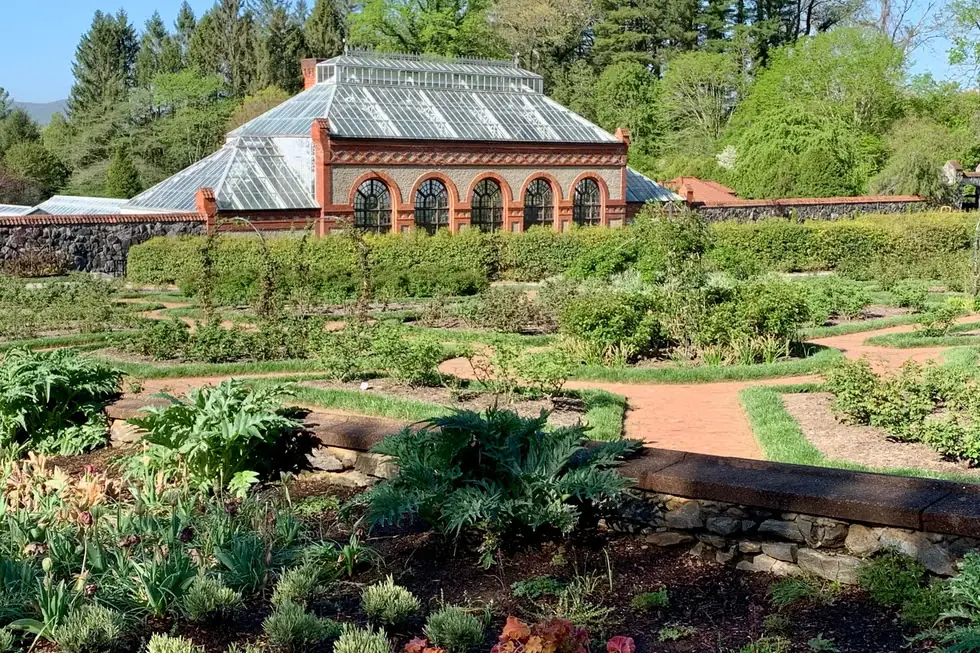
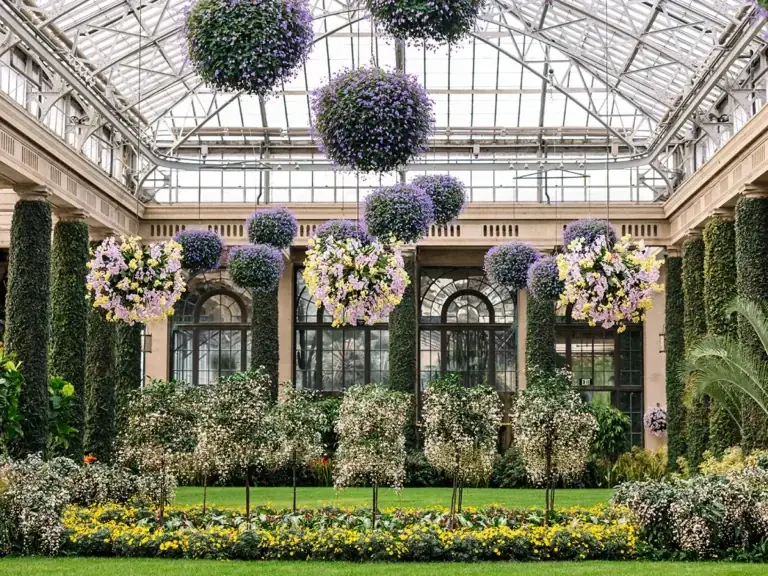
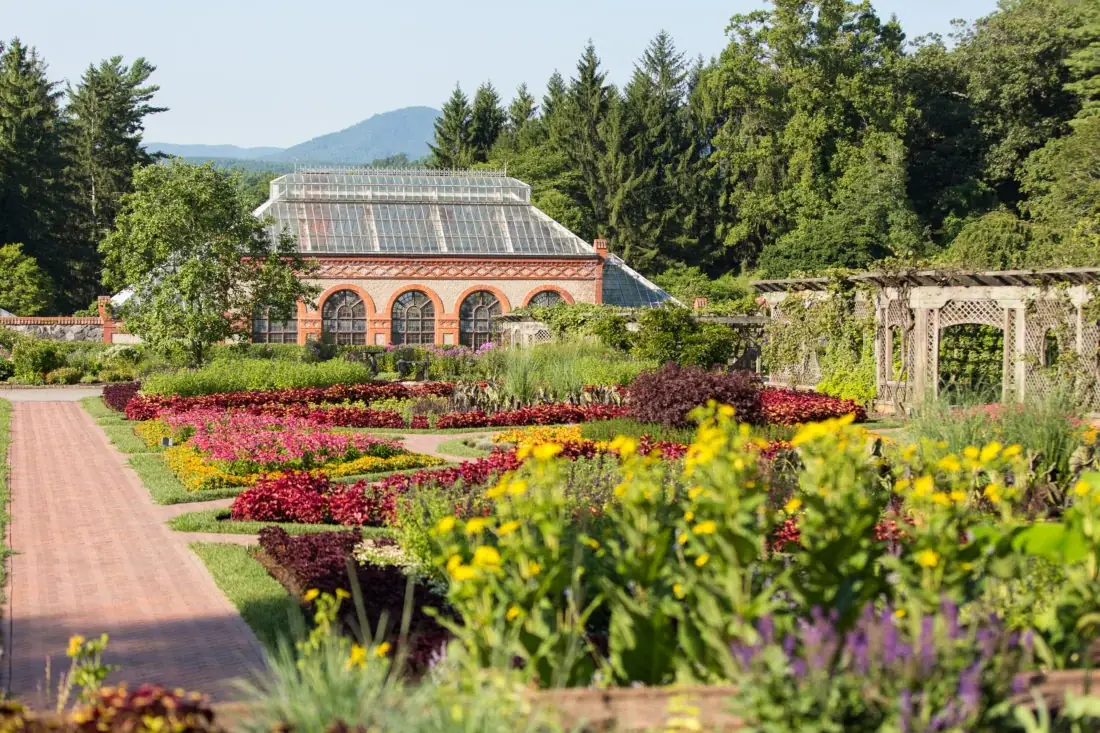
The pursuit of luxury estate gardens usa involves navigating a fragmented market characterized by regional design vernaculars, high-craft hardscaping, and specialized ecological engineering. Despite common perceptions, premier property design is not defined by sheer material cost or rare plant acquisition. Instead, it represents the precise alignment of site capability, architectural harmony, and long-term functional utility. Analyzing this sector reveals a pattern of meticulous sub-surface preparation, advanced water management, and custom fabrication addressing each site’s unique environmental profile.
A frequent misconception in high-end property development is that premier outdoor environments can be constructed on any terrain through brute-force engineering and heavy material imports. In actual practice, elite execution respects native topography and regional climate realities. For example, imposing an intensive, water-dependent formal garden style onto an arid western desert estate creates an unsustainable resource drain and frequent botanical failure. Mastery of luxury estate gardens usa requires a localized synthesis where regional context dictates structural design, material selection, and water conservation strategies.
Another layer of complexity involves distinguishing between short-term visual impact and long-term structural maturation. High-end residential projects often prioritize immediate visual gratification through the installation of mature, oversized specimen trees. However, without careful root-ball management, crane access planning, and advanced subterranean irrigation zoning, these massive specimens experience severe transplant shock. Consequently, evaluating elite design requires looking beyond immediate installation aesthetics to assess how a property matures, adapts, and maintains structural integrity over decades.
Deep Contextual Background: The Evolution of Estate Design
The lineage of high-end American grounds management traces its roots through European estate traditions, early colonial agrarian planning, and the nineteenth-century romantic landscape movement. Historically, designers shaped these foundations using classical European geometries and expansive parklands. As industrial wealth expanded during the Gilded Age, American estate architecture adopted grand formal axes, parterres, and manicured lawns modeled after European châteaux and country manors. This era established the precedent for large-scale earthmoving and imported botanical collections as symbols of elite status.
Mid-century modernism shifted this paradigm significantly by emphasizing indoor-outdoor continuity, minimalist hardscaping, and an embrace of regional minimalism, particularly in the American West. The rigidity of classical symmetry gave way to organic integration. As a result, structural concrete, native stone, and minimalist pool geometries interacted directly with natural topography. This period redefined high-end design by prioritizing spatial flow and architectural integration over imported formal grandeur.
Contemporary elite property design synthesizes these historical currents with advanced environmental engineering and smart-home automation. Modern regulations, water scarcity challenges, and ecological awareness have elevated sustainability from a peripheral concern to a central design driver. Today, achieving elite status requires balancing monumental architectural hardscapes with rigorous environmental stewardship, native habitat restoration, and cutting-edge resource management systems.
Conceptual Frameworks and Mental Models
Designing and evaluating premier outdoor environments requires structured mental models that synthesize architecture, civil engineering, and ecological succession.
The Architectural Envelope Extension Model
This model conceptualizes the outdoor space not as a separate entity from the home, but as an outdoor room series with matching structural rigor. Sightlines, thermal comfort zones, and material palettes mirror interior finishes. Consequently, this creates psychological and physical continuity between indoor living areas and the surrounding terrain.
The Multi-Decadal Botanical Maturation Curve
Elite planting design accounts for the ultimate canopy size, root spread, and competitive behavior of specimens twenty to fifty years post-installation. Mental modeling must project how specimen trees interact with underground utilities, architectural footings, and adjacent plantings as they reach biological maturity.
The Closed-Loop Hydrological Balance
This framework views the property as an independent water management basin. Surface runoff, roof catchment, greywater recycling, and deep-root irrigation are balanced internally. The primary objective is to eliminate reliance on municipal potable water for landscape maintenance while preventing off-site erosion or flooding.
The Microclimatic Thermal Mass Continuum
Hardscape materials—such as stone, concrete, and water features—absorb, store, and radiate thermal energy. This mental model tracks how these materials alter local ambient temperatures, wind patterns, and humidity around seating zones and delicate plantings throughout daily and seasonal cycles.
Key Categories or Variations of Estate Design Paradigms
Elite property design manifests in several distinct regional and stylistic variations, each presenting unique engineering challenges and aesthetic trade-offs.
-
Coastal Maritime Estates: These are engineered to withstand salt spray, high wind loads, and sandy, shifting soils using corrosion-resistant metals and salt-tolerant coastal vegetation.
-
Arid Desert Sanctuaries: This design focuses on thermal mass management, arroyo stabilization, low-water native xeriscaping, and dramatic night lighting integrated into natural rock formations.
-
Alpine Mountain Retreats: These integrate massive boulder retaining systems, heavy snow-load architectural structures, and cold-hardy native evergreen compositions.
-
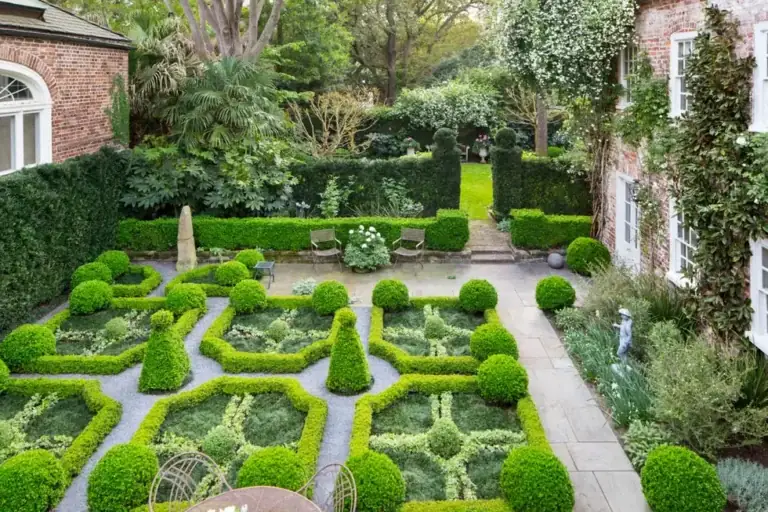
New England Formal Classical: This style emphasizes historic stone walls, boxwood parterres, precise turf panels, and mature deciduous canopy trees requiring meticulous seasonal maintenance.
-
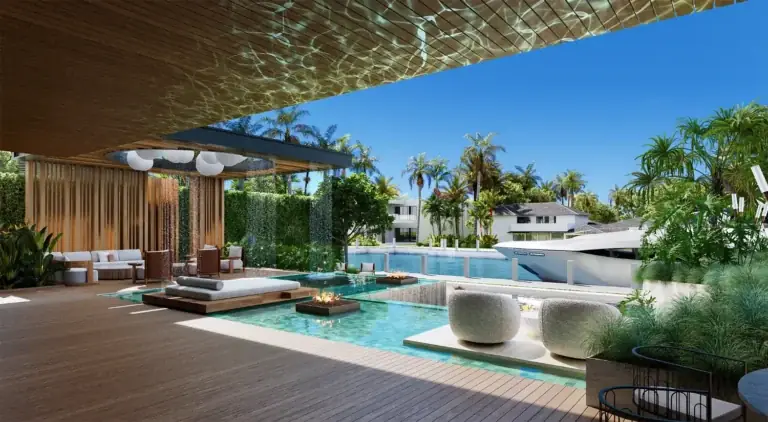
Tropical Resort Compounds: These feature lush multi-tier canopies, complex pool hydraulics, integrated tiki/fire structures, and high-humidity soil management systems.
-
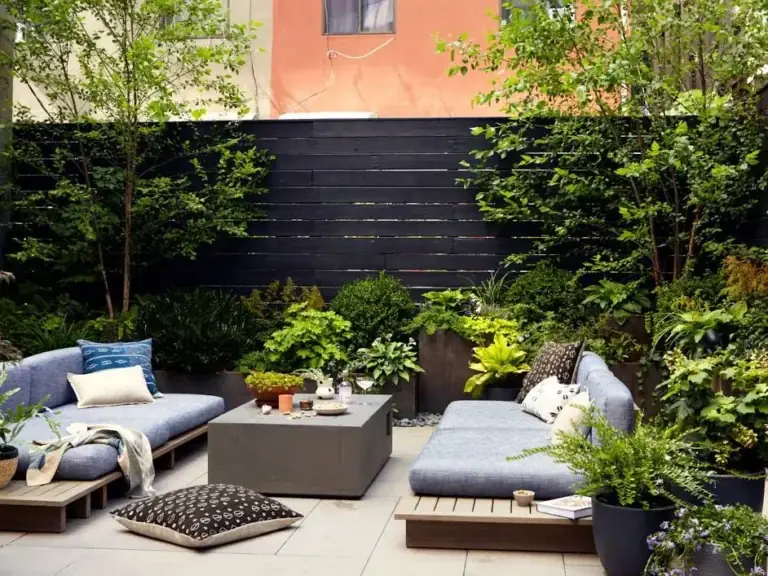
Contemporary Minimalist Urban: This approach utilizes board-formed architectural concrete, exotic hardwoods, linear water features, and restrained plant palettes within tight boundaries.
| Design Paradigm | Primary Environmental Challenge | Structural Focus | Maintenance Complexity |
| Coastal Maritime | Salt corrosion & wind shear | Deep pilings & corrosion resistance | High |
| Arid Desert | Extreme thermal flux & water scarcity | Irrigation automation & rock stabilization | Moderate to High |
| Alpine Mountain | Snow load & freeze-thaw heaving | Massive retaining walls & sub-drainage | Moderate |
| New England Classical | Frost heave & seasonal turf stress | Sub-base stabilization & historic masonry | High |
| Tropical Resort | High humidity & rapid plant growth | Pool hydraulics & aggressive pruning | Very High |
| Urban Minimalist | Limited access & utility congestion | Precision concrete & integrated tech | Moderate |
Realistic Decision Logic for Property Master Planning
When initiating a premier landscape overhaul, the choice between architectural hardscaping, mass specimen installation, or native ecological restoration depends on site constraints and owner usage patterns. If the property features severe topography or expansive slopes, priority must shift to civil engineering, structural terracing, and sub-surface drainage before any aesthetic planting occurs. Conversely, on flat urban or suburban infill lots, the focus shifts to privacy screening, microclimate optimization, and high-craft hardscape detailing.
Detailed Real-World Scenarios and Case Analyses
Examining specific real-world operational scenarios illustrates how elite design principles intersect with physical site constraints and complex client demands.
A : The Coastal Bluff Erosion Control Project
An oceanfront estate in the Pacific Northwest experiences progressive bluff erosion threatening the primary structure. The client demands unobstructed ocean views without artificial seawalls dominating the natural shoreline.
-
Constraint: Strict municipal environmental regulations prohibiting hard structural seawalls on unstable marine bluffs.
-
Decision Point: Contractors must evaluate implementing deep bio-engineering soil stabilization using deep-root native shrubs versus installing an engineered gabion basket retaining system.
-
Failure Mode: Relying solely on surface turf and shallow-rooted ornamentals, which saturate during winter storms and slough off the cliff face.
-
Second-Order Effect: This results in loss of property acreage, expensive emergency geotechnical intervention, and potential compromise of the primary architectural foundation.
B : The Desert Compound Thermal Optimization
A luxury desert compound in Scottsdale features vast expanses of dark stone paving surrounding a glass-walled residence. Consequently, this creates unbearable ambient heat radiating into interior living spaces during summer afternoons.
-
Constraint: High ambient air temperatures combined with strict municipal water allocation limits for outdoor cooling systems.
-
Decision Point: Designers must weigh replacing heat-absorbing dark stone with high-albedo light pavers versus installing high-pressure misting arrays.
-
Failure Mode: Over-planting turf and water-intensive shade trees that quickly succumb to heat stress and exceed local water budgets.
-
Second-Order Effect: This leads to elevated interior cooling loads, skyrocketing utility expenses, and scorched botanical specimens requiring frequent replacement.
C : The Urban Infill Rooftop & Courtyard Integration
A high-end historic brownstone in Manhattan requires a secluded rear courtyard oasis and a multi-tier rooftop terrace. Crane access is restricted by narrow historic streets and overhead utility wires.
-
Constraint: Strict weight load capacities for the historic building structure and difficult material hoisting logistics.
-
Decision Point: Contractors must choose between utilizing lightweight structural aluminum framing and modular composite decking versus traditional stone masonry.
-
Failure Mode: Exceeding structural dead-load limits with unreinforced stone planters and saturated soil, risking structural ceiling failure in lower interior rooms.
-
Second-Order Effect: This triggers costly structural reinforcement engineering, interior water damage, and project delays due to municipal street closure permits.
D : The Mountain Estate Drainage Overhaul
A sprawling Colorado mountain estate experiences catastrophic basement water infiltration during spring snowmelt because upslope subsurface water channels directly toward the rear foundation.
-
Constraint: Steep granitic bedrock close to the surface prevents deep standard trenching for drainage lines.
-
Decision Point: Engineers must decide between constructing a massive upslope interceptor curtain drain versus installing automated perimeter sump pumps.
-
Failure Mode: Surface grading adjustments alone fail to capture subsurface sheet flow moving through the shallow topsoil layer directly above the bedrock.
-
Second-Order Effect: This causes persistent freeze-thaw foundation cracking, indoor mold remediation expenses, and degradation of surrounding masonry hardscapes.
Planning, Cost, and Resource Dynamics
Executing projects within the realm of luxury estate gardens usa involves balancing substantial capital outlays with ongoing operational resource requirements. Underestimating the long-term maintenance infrastructure frequently leads to rapid aesthetic and structural decline.
Direct costs encompass specialized design fees, heavy machinery operation, architectural stone acquisition, mature specimen tree sourcing, and advanced automation systems. Meanwhile, indirect costs include continuous arboricultural care, seasonal horticultural rotations, specialized pool maintenance, and energy consumption for architectural lighting. Opportunity costs involve the temporary disruption of estate utility and the capital tied up during multi-year phased construction cycles.
Variability in project expenditure is heavily driven by site logistics and bespoke fabrication requirements. Properties with difficult topography, remote geographic locations, or restricted access inflate labor and material transport costs significantly.
| Resource Tier | Primary Capital Focus | Typical Maintenance Burden | Ideal Property Scale |
| Bespoke Residential | Custom hardscapes, pool design, specimen trees | Moderate (Weekly crew oversight) | 0.5 to 2 Acres |
| Grand Estate Compound | Extensive acreage grading, security integration, orchards | High (Dedicated resident grounds crew) | 5 to 20 Acres |
| Ultra-Prime Trophy Acreage | Private helipads, eco-restoration, private lakes | Very High (Full-time horticultural staff) | 20+ Acres |
Tools, Strategies, and Support Systems
Executing premier landscape construction requires specialized instruments and advanced technological systems that ensure millimeter precision and long-term asset health.
-
3D Terrain Laser Scanners & Drone Photogrammetry: These capture exact topographical data to plan complex drainage grids and hardscape layouts without manual surveying errors.
-
Computer-Controlled Irrigation Telemetry: Centralized smart controllers adjust water output automatically based on live local evapotranspiration data and soil moisture sensors.
-
Bespoke Hydraulic Excavation & Rigging Gear: Heavy specialized equipment equipped with rubber tracks allows operators to manipulate multi-ton specimen trees without compacting sub-soils.
-
Subsurface Soil Aeration Grids: Integrated pneumatic injection systems deliver oxygen directly to compacted root zones beneath paved or heavily trafficked pedestrian areas.
-
Geotextile Stabilization Fabrics & Cellular Confinement: High-strength synthetic matrices lock steep slopes and vehicular driveways in place against erosion.
-
Low-Voltage Architectural LED Mapping Systems: Precision-engineered lighting arrays feature custom beam spreads designed to highlight specimen architecture and plant textures at night.
-
Smart Drainage Diverters & Retention Cisterns: Large subterranean storage tanks capture storm runoff for timed, pressurized landscape irrigation reuse.
-
Root Barrier Shielding Panels: High-density polyethylene sheets are installed vertically to protect utility lines and hardscape footings from aggressive invasive tree roots.
Risk Landscape and Failure Modes
Neglecting systematic design protocols across high-end properties introduces severe structural, ecological, and financial risks that compound over time.
Compounding Risks in Estate Grounds Management
-
Subsurface Hydrostatic Fracturing: Inadequate sub-grade drainage leads to water accumulation behind retaining walls and beneath hardscapes. Consequently, this causes catastrophic structural blowouts during freeze-thaw cycles.
-
Specimen Transplant Shock and Mortality: Sourcing and planting oversized mature trees without proper root-ball hydration and root-pruning history results in slow decline and expensive removal requirements.
-
Root Zone Hypoxia and Over-Saturation: Over-irrigation combined with compacted sub-soils displaces soil oxygen. As a result, this suffocates valuable ornamental plant collections and encourages root rot pathogens.
-
Hardscape Foundation Settlement: Failing to compact sub-base aggregate in structural lifts beneath costly stone patios causes uneven settling, cracking, and trip hazards across high-traffic entertainment areas.
-
Regulatory Environmental Non-Compliance: Unpermitted earthmoving, wetland encroachment, or improper runoff management near protected watersheds triggers severe municipal fines and mandatory restoration orders.
Governance, Maintenance, and Long-Term Adaptation
Maintaining an elite landscape requires a structured operational cadence. Soil is a living, shifting medium influenced by weather, biological activity, and mechanical loads. Establishing a rigorous review cycle ensures minor shifts are corrected before evolving into systemic failures.
Monitoring and Review Cycles
-
Seasonal Hydraulic Audits: Property teams should inspect all irrigation valves, backflow preventers, and subterranean drainage outlets thoroughly each spring and autumn.
-
Canopy and Specimen Health Reviews: Certified arborists must conduct professional assessments biannually to identify pest pressures, structural weaknesses, and nutrient deficiencies in mature trees.
-
Hardscape and Retaining Wall Surveys: Technicians should monitor structural masonry and paving surfaces annually for signs of shifting, joint separation, or sub-base erosion.
Adjustment Triggers and Layered Checklist
-
Drainage swales or retention basins fail to clear standing water within 24 hours of a major storm event.
-
Efflorescence or structural cracking appears on architectural stone retaining walls or patio joints.
-
Noticeable chlorosis or canopy dieback appears in high-value specimen plantings.
-
Turfgrass or planting beds encroach past stone bed edges, blurring architectural lines.
Measurement, Tracking, and Evaluation Metrics
Evaluating the long-term success of premier property management requires tracking both quantitative operational metrics and qualitative aesthetic standards.
Quantitative Indicators
-
Water Efficiency Index: Tracking total potable water consumption versus captured stormwater reuse percentages across annual maintenance cycles measures environmental optimization.
-
Soil Permeability & Infiltration Rates: Measured in inches per hour, this ensures sub-surfaces maintain adequate drainage capacity without compaction degradation.
-
Asset Depreciation vs. Appreciation: Assessing the biological valuation and structural integrity of mature plantings and hardscapes over multi-year periods tracks long-term value.
Qualitative Signals
-
Seamless, uncompromised visual continuity exists between interior architectural lighting, flooring levels, and exterior hardscapes.
-
Vigor, color density, and uninhibited growth rates of elite botanical collections remain free from nutrient competition stress.
-
Pristine, crisp vertical and horizontal alignment spans across all hardscape borders, edging lines, and water feature perimeters.
Documentation Examples
-
Estate Master Drainage & Utility Map: A certified civil engineering ledger records exact underground drainage pipe runs, irrigation valve boxes, and electrical conduit paths.
-
Specimen Botanical Inventory Register: A comprehensive horticultural database tracks the species, planting date, soil amendments, and individual maintenance history of every major tree.
-
Irrigation & Water Conservation Log: A digital record tracks monthly water meter volumes, rain sensor activation events, and greywater recycling tank levels.
Common Misconceptions and Oversimplifications
The high-end landscape sector is frequently clouded by persistent myths and flawed shortcuts regarding design execution and maintenance complexity.
-
Myth: “The most expensive materials and largest trees guarantee a luxury result.”
-
Correction: Luxury is defined by site harmony, precise scale, and functional integration. Forcing oversized plants or mismatched materials into a landscape creates architectural discord.
-
-
Myth: “Modern smart irrigation systems completely eliminate the need for manual monitoring.”
-
Correction: While automation optimizes water delivery, mechanical failures, clogged emitters, and microclimatic shifts require continuous human oversight and manual adjustment.
-
-
Myth: “Native plants require zero maintenance once established in a luxury setting.”
-
Correction: While native plants tolerate regional climates, curated estate environments require selective pruning, weed control, and pest management to maintain pristine aesthetic standards.
-
-
Myth: “Retaining walls are purely decorative elements to create level lawn spaces.”
-
Correction: Retaining walls are heavy civil engineering structures managing immense soil weight. Improper drainage design leads to catastrophic structural wall failure.
-
-
Myth: “Landscape design is finalized on the day construction concludes.”
-
Correction: Elite landscapes are living, evolving ecosystems that require continuous adaptation, seasonal rotation, and multi-decadal planning as canopies mature.
-
-
Myth: “Synthetic turf provides a permanent, maintenance-free luxury lawn solution.”
-
Correction: High-end synthetic surfaces require regular brushing, cooling infill management, sanitization, and eventual replacement due to UV degradation and backing fatigue.
-
Conclusion
Achieving the standard associated with luxury estate gardens usa requires an unwavering commitment to structural rigor, ecological sensitivity, and refined craftsmanship. By integrating civil engineering principles with sophisticated botanical curation, premier properties transcend temporary aesthetic trends to become enduring architectural assets. Navigating this complex domain demands patience, technical expertise, and an understanding that true outdoor luxury is rooted in the seamless harmony between built form and living nature.