Top Gourmet Garden Designs in the US: Architectural & Horticultural Guide
The traditional demarcation separating ornamental horticulture from agricultural production has dissolved across contemporary North American residential landscapes. Within upscale regional markets, the integration of high-performance edible architecture has shifted from a novelty pursuit into a sophisticated component of primary estate planning. Rather than relegating food cultivation to hidden utility zones or utilitarian community plots, modern high-end property development approaches the gourmet garden with the same material permanence, spatial rigor, and aesthetic integration applied to interior culinary wings.
Realizing these complex living food systems requires navigating multi-variable constraints, including regional microclimates, subterranean soil biology, advanced automated irrigation mechanics, and local wildlife pressures. Minor miscalculations in soil remediation chemistry, sun-path tracking, or sub-surface drainage engineering frequently result in poor crop yields and premature structural decay of raised enclosures. The market for high-end edible architecture demands custom civil and horticultural coordination tailored precisely to regional ecosystems rather than relying on standardized DIY kits.
Examining this sector necessitates looking past surface-level aesthetic trends to evaluate the foundational soil science, microclimate modulation, and operational frameworks that sustain premier culinary environments. The consequences of inadequate planning manifest gradually through soil compaction, pest proliferation, and severe seasonal vulnerability. Analyzing how elite residential properties achieve lasting functional resilience requires a comprehensive review of structural typologies, soil management methodologies, and operational frameworks governing the sector.
Understanding “top gourmet garden designs in the us”
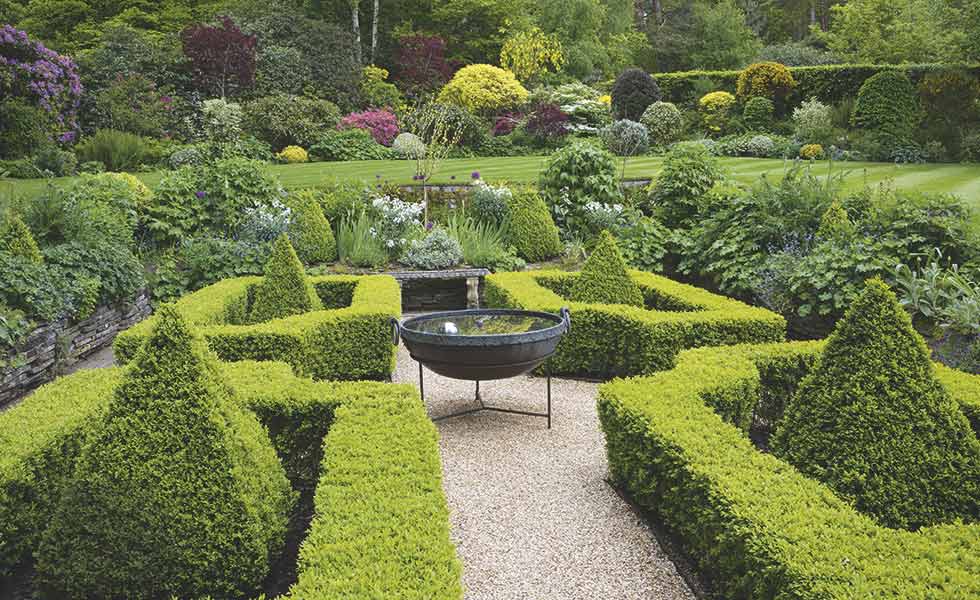
The architectural phenomenon encompassed by top gourmet garden designs in the us involves navigating a specialized marketplace characterized by custom-milled cedar or stone raised beds, integrated obelisks, automated fertigation lines, and culinary-focused perennial guilds. Despite widespread commercial advertising, elite status within this domain is not measured by sheer square footage or the sheer volume of crops produced. Instead, it represents the precise alignment of site topography, architectural proportion, culinary utility, and long-term biological health. Analyzing this sector reveals a pattern of meticulous soil biology building, precise microclimate management, and high-craft construction tailored to distinct USDA hardiness zones.
A frequent misunderstanding in high-end property development is that picturesque kitchen gardens can be installed anywhere on a residential lot regardless of solar orientation or soil chemistry. In actual practice, premier executions succeed by respecting native environmental conditions, maximizing direct sunlight, and establishing balanced subterranean microbial communities. For example, installing an elaborate potager system beneath dense northern tree canopies or in poorly drained clay pockets creates an unmanageable disease vector and chronic crop failure. True mastery of top gourmet garden designs in the us requires a localized synthesis where sunlight angles, frost dates, and culinary preferences dictate spatial layout and structural engineering.
Another layer of complexity involves balancing immediate harvest availability with multi-decade perennial maturity. High-end residential projects often prioritize instant visual gratification through dense seasonal plantings and imported structural hardscaping. However, without underground infrastructure planning, soil amendment schedules, and accessible utility corridors, these installations invite frequent maintenance disruptions. Consequently, evaluating premier design requires looking past installation-day aesthetics to assess how an edible garden matures, adapts, and sustains high-yield organic production over years of seasonal change.
Deep Contextual Background: The Evolution of North American Edible Horticulture
The lineage of high-end edible landscaping in North America draws from diverse historical traditions, including European formal potagers, colonial American utilitarian plots, and indigenous companion-planting systems. As suburban and exurban wealth expanded during the latter half of the twentieth century, food cultivation largely vanished from upscale domestic architecture, replaced by sterile lawns and maintenance-heavy ornamental shrubs. This era treated food production as separate from daily life, restricting it to rural farms or community allotments.
The early twenty-first century disrupted this paradigm by reintroducing sustainable agriculture into residential architecture. Landscape architects began dissolving the barriers between decorative flora and food-producing crops, integrating heirloom vegetables, fruit trees, and culinary herbs directly into primary outdoor living spaces. This evolution transformed edible spaces from hidden backyard chores into central architectural focal points that complement outdoor kitchens and dining terraces.
Contemporary elite development synthesizes these historical currents with advanced soil ecology and rigorous water conservation strategies. Modern soil microbiology insights, organic certification standards, and changing culinary preferences have transformed sustainability from an optional feature into a core design driver. Today, achieving elite status within top gourmet garden designs in the us requires balancing monumental architectural hardscaping with advanced composting systems, pollinator habitats, and heirloom seed preservation.
Conceptual Frameworks and Mental Models
Designing and evaluating premier gourmet garden environments requires structured mental models that synthesize horticulture, soil science, and landscape architecture.
The Plant Guild and Poly-Culture Model
This framework conceptualizes the garden as an interdependent ecological community rather than a collection of isolated monoculture rows. Nitrogen fixers, dynamic accumulators, insectaries, and deep-rooted structural plants are combined to support primary culinary crops naturally.
The Sub-Grade Soil Biology Framework
This mental model tracks the active management of soil organic matter, fungal networks, and earthworm populations. It prioritizes no-till or minimal-disturbance methods to preserve soil structure and optimize nutrient exchange for high-value root and leaf crops.
The Microclimate Thermal Mass Continuum
This model evaluates how stone walls, brick pathways, water features, and protective structures capture solar radiation during the day and radiate heat back at night, effectively extending the local growing season.
The Vertical Stratification Gradient
This framework analyzes how vertical space is utilized through obelisks, trellises, and arbors. It maximizes sunlight capture across multi-tiered canopies, allowing climbing legumes and vining fruits to coexist above low-growing ground cover herbs.
Key Categories or Variations of Gourmet Garden Paradigms
Elite gourmet garden design manifests in distinct structural and climatic variations, each presenting unique horticultural challenges and aesthetic trade-offs.
-
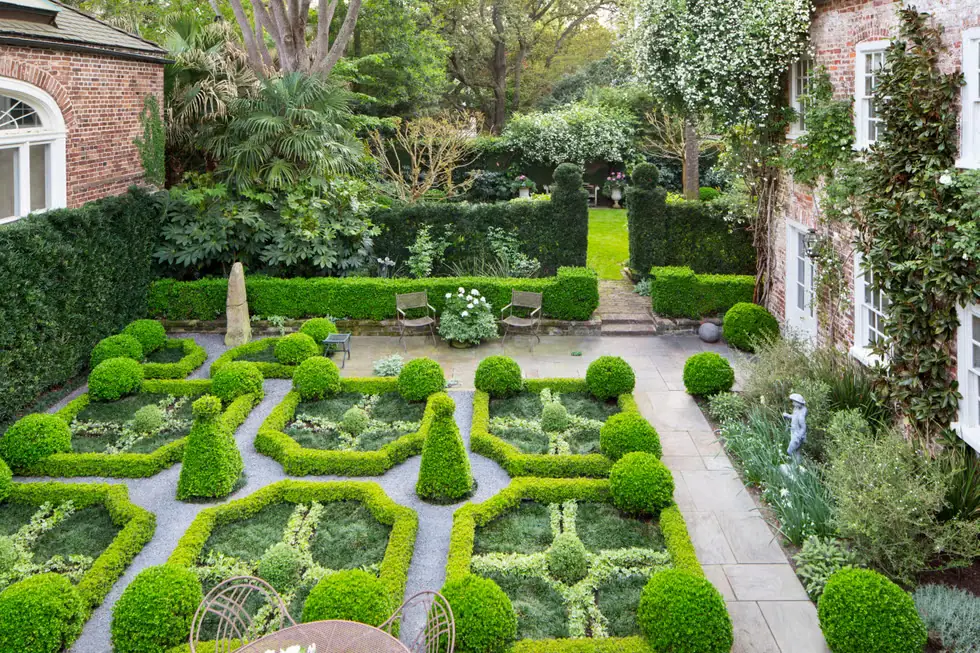
Formal European Potager Layouts: Engineered with symmetrical raised beds, central gravel pathways, and structural boxwood or metal borders reflecting classic geometric patterns.
-
Arid Southwestern Culinary Courtyards: Focused on water-wise sub-surface drip irrigation, thermal mass stone retaining walls, and heat-tolerant Mediterranean herbs.
-
Pacific Northwest Forest-Edge Permaculture Guilds: Utilizes native berry shrubs, multi-tiered fruit trees, and perennial shade-tolerant root crops integrated into natural topography.
-
Northeastern Four-Season Cold-Frame Systems: Features integrated low-tunnel glazing, high-thermal-mass stone borders, and cold-hardy brassicas for extended winter harvesting.
-
Southeastern Raised-Bed Production Units: Built with rot-resistant cypress or steel frames, optimized for intense humidity management, heavy summer rains, and rapid soil drainage.
-
Urban Rooftop Intensive Systems: Engineered with lightweight structural growing media, automated wind baffles, and containerized micro-green production zones.
| Design Paradigm | Primary Environmental Challenge | Structural Focus | Maintenance Complexity |
| Formal European Potager | Soil compaction & uniform crop rotation | Symmetrical raised beds & metal obelisks | High |
| Arid Southwestern Courtyard | Extreme solar radiation & water scarcity | Stone thermal mass & deep drip lines | Moderate |
| Pacific Northwest Forest Guild | Excessive moisture & limited direct sun | Terraced slopes & multi-tier canopies | Moderate to High |
| Northeastern Cold-Frame System | Deep winter freezes & low winter light | Glazed low-tunnels & heavy wood frames | High |
| Southeastern Production Unit | High humidity, fungal disease & heavy rain | Elevated raised beds & rapid drainage | High |
| Urban Rooftop Intensive | Structural load limits & wind shear | Lightweight engineered media & baffles | Very High |
Realistic Decision Logic for Architectural Master Planning
When initiating a premier gourmet garden project, the choice between formal symmetrical raised-bed potagers and naturalistic food forests depends heavily on aesthetic goals and labor availability. If a property owner desires immediate, high-yield culinary harvests with pristine visual order, priority must shift immediately toward custom timber or metal raised beds equipped with automated drip irrigation. Conversely, in expansive estate settings focused on long-term ecological resilience, the focus shifts toward multi-layered perennial food forests and self-sustaining guild plantings.
Detailed Real-World Scenarios and Case Analyses
Examining specific operational scenarios illustrates how elite gourmet garden design principles intersect with physical site constraints and complex client demands.
A : The Coastal New England Soil Salinity Challenge
A luxury coastal estate in Maine features an ocean-facing backyard intended for an elaborate kitchen garden installation.
-
Constraint: Airborne salt spray and sandy, nutrient-deficient soils prone to rapid leaching.
-
Decision Point: Installing fully isolated, imported organic soil mixes within elevated cedar raised beds versus undertaking extensive chemical soil washing and ground remediation.
-
Failure Mode: Planting directly into native coastal sand, resulting in severe nutrient lockout, stunted crop growth, and wind-desiccation damage.
-
Second-Order Effect: Total crop failure during the first growing season, costly emergency soil replacement, and erosion of the aesthetic landscape.
B : The Mountain Chalet Short-Season Frost Barrier
A high-end mountain property in Montana aims to produce fresh culinary greens throughout a compressed three-month frost-free window.
-
Constraint: Rapid temperature drops, unpredictable late spring snowstorms, and intense ultraviolet exposure at high elevation.
-
Decision Point: Integrating semi-permanent cold frames with automated thermal blankets versus relying entirely on traditional open-air planting rows.
-
Failure Mode: Unprotected crops succumbing to unexpected sub-freezing night temperatures, destroying delicate seasonal herbs and early brassicas.
-
Second-Order Effect: Loss of seasonal productivity, delayed culinary use for the primary estate kitchen, and wasted labor investment.
C : The Southern Estate Root-Knot Nematode Infestation
A luxury residence in Georgia installs an expansive in-ground tomato and root vegetable garden within heavy native clay soil.
-
Constraint: Aggressive subterranean nematode populations attacking root systems and causing widespread plant wilt.
-
Decision Point: Constructing deep, barrier-lined raised beds filled with sterilized compost and beneficial fungi versus applying heavy synthetic nematicides.
-
Failure Mode: Ignoring native soil pathogen loads, leading to systemic root destruction and complete crop collapse by mid-summer.
-
Second-Order Effect: Long-term biological degradation of the garden plot, requiring multi-year cover cropping and total soil profile replacement.
D : The Urban Penthouse Wind Shear and Drainage Crisis
A luxury high-rise terrace in Chicago incorporates intensive containerized gourmet herb and vegetable production.
-
Constraint: High-velocity wind shear stripping moisture from foliage and extreme structural weight limits on the concrete slab.
-
Decision Point: Installing lightweight aggregate growing media coupled with heavy wind-baffling glass panels versus utilizing standard dense topsoil in heavy stone planters.
-
Failure Mode: Planters drying out within hours due to high wind exposure while simultaneously risking structural weight overloads on the building deck.
-
Second-Order Effect: Plant desiccation, potential structural liability issues, and expensive retrofit engineering to stabilize containers.
Planning, Cost, and Resource Dynamics
Executing projects within the gourmet garden sector involves balancing substantial capital outlays with ongoing operational resource requirements. Underestimating long-term soil management and water delivery maintenance frequently leads to declining yields and increased labor burdens.
Direct costs encompass site geotechnical and soil nutrient testing, custom carpentry or metal fabrication for raised beds, automated drip and fertigation infrastructure, high-grade organic amendments, and specialized plant stock. Indirect costs include seasonal seed procurement, compost replenishment, pest control netting, and professional horticultural maintenance oversight. Opportunity costs involve dedicating prime residential acreage to food production rather than passive recreational lawn or leisure hardscaping.
Variability in project expenditure is driven heavily by site accessibility, existing soil health, and automation complexity. Properties requiring extensive deer fencing, automated climate-controlled greenhouses, or major grading inflate material transport and installation costs significantly.
| Resource Tier | Primary Capital Focus | Typical Maintenance Burden | Ideal Property Scale |
| Bespoke Residential Potager | Cedar raised beds, gravel paths, iron obelisks | Moderate (Weekly weeding, seasonal planting) | 0.1 to 0.5 Acre |
| Estate-Scale Production Garden | Multiple zones, automated drip, cold frames | High (Bi-weekly pruning, pest scouting, soil care) | 0.5 to 2 Acres |
| Trophy Permaculture Food Forest | Multi-tier perennial trees, swales, ponds | Low to Moderate (Pruning, mulching, harvesting) | 2+ Acres |
Tools, Strategies, and Support Systems
Executing premier gourmet garden design requires specialized instruments and advanced horticultural systems that ensure optimal plant health and resource efficiency.
-
Automated Smart-Irrigation and Soil Moisture Telemetry: Precision sub-surface soil sensors linked to smart controllers that adjust watering cycles based on real-time evapotranspiration data.
-
Custom Architectural Trellises and Obelisks: Heavy-gauge powder-coated steel or rot-resistant timber structures designed to support heavy vining crops like indeterminate tomatoes and pole beans.
-
Low-Tunnel Glazing and Frost Protection Systems: Removable UV-stabilized polyethylene covers on metal hoops engineered to extend shoulder-season growing windows.
-
Organic Pest Exclusion Netting and Floating Row Covers: Fine-mesh barriers installed over vulnerable brassicas and root crops to prevent insect predation without chemical pesticides.
-
Sub-Surface Drip Irrigation Manifolds: Precision emitter tubing buried beneath the soil surface to deliver water directly to root zones while minimizing weed growth and evaporation.
-
High-Capacity Composting and Vermicomposting Units: On-site aerated bin systems that convert estate kitchen waste into nutrient-dense organic humus for soil amendment.
-
Soil Penetrometers and Nutrient Testing Kits: Professional diagnostic instruments used to monitor soil compaction levels, pH balance, and macronutrient availability.
-
Hand-Forged Ergonomic Harvesting Tools: Specialized Japanese hori-hori knives, harvesting shears, and baskets crafted to protect delicate produce during collection.
Risk Landscape and Failure Modes
Neglecting systematic horticultural protocols across high-end gourmet garden spaces introduces severe biological, structural, and financial risks that compound over time.
Compounding Risks in Gourmet Garden Design
-
Soil Pathogen Accumulation: Planting the same crop families in identical beds year after year without rotation invites soil-borne fungi and bacterial wilts.
-
Over-Reliance on Automated Irrigation: Malfunctioning moisture sensors or clogged emitters can cause sudden underwatering during peak summer heat, rapidly destroying sensitive crops.
-
Inadequate Wildlife Exclusion: Failing to install subterranean gopher wire or secure perimeter fencing results in devastating crop loss from deer, rabbits, and burrowing pests.
-
Soil Compacting and Nutrient Leaching: Walking directly on unpaved growing beds destroys soil aggregate structure, suffocating beneficial microbes and choking plant roots.
-
Microclimatic Heat Traps: Enclosing garden beds with dense tall walls without cross-ventilation creates stagnant, humid air pockets that breed powdery mildew and insect infestations.
Governance, Maintenance, and Long-Term Adaptation
Maintaining an elite gourmet garden space requires a disciplined operational cadence. Seasonal weather shifts, soil nutrient depletion, and pest pressures continuously impact plant productivity. Establishing a rigorous review cycle ensures minor biological imbalances are corrected before evolving into systemic crop failures.
Monitoring and Review Cycles
-
Spring Soil Biology & Nutrient Audit: Test soil pH, organic matter percentage, and macronutrient levels annually prior to spring planting.
-
Mid-Season Pest and Disease Scouting: Inspect leaf undersides, stem bases, and fruit clusters weekly during peak summer growing phases for early signs of infestation.
-
Winter Irrigation and Infrastructure Check: Flush drip lines, insulate backflow preventers, and inspect trellis stability thoroughly before freezing winter temperatures arrive.
Adjustment Triggers and Layered Checklist
-
Crop yields decline noticeably across two consecutive growing seasons within the same raised bed zone.
-
Persistent weed germination breaks through heavy organic mulch layers, indicating depleted soil coverage.
-
Irrigation emitters show pressure drops, clogging, or uneven water distribution across bed layouts.
-
Soil surfaces develop a hard, impermeable crust, signaling a loss of organic matter and microbial activity.
Measurement, Tracking, and Evaluation Metrics
Evaluating the long-term success of premier gourmet garden architecture requires tracking both quantitative harvest metrics and qualitative ecological indicators.
Quantitative Indicators
-
Cumulative Harvest Yield Weight: Tracking total seasonal production by crop category to evaluate bed efficiency and soil fertility.
-
Water Use Efficiency Ratio: Measuring total irrigation volume applied relative to total edible biomass harvested.
-
Soil Organic Matter Percentage: Documenting annual increases in soil carbon and organic matter through professional laboratory testing.
Qualitative Signals
-
Abundant presence of native pollinators, beneficial predatory insects, and earthworms actively populating the garden ecosystem.
-
Vibrant, deep-green foliage coloration and robust structural resilience across all planted crops without chemical intervention.
-
Pristine aesthetic integration where structural hardscaping, clean gravel paths, and lush vegetation present a harmonious visual standard.
Documentation Examples
-
Master Crop Rotation and Planting Ledger: A detailed multi-year record tracking plant family placement across specific beds to prevent soil depletion.
-
Soil Amendment and Nutrient Log: A comprehensive database recording compost applications, mineral additions, and annual soil test results.
-
Seasonal Harvest and Yield Journal: A quantitative log recording planting dates, germination rates, harvest quantities, and variety performance.
Common Misconceptions and Oversimplifications
The high-end gourmet garden sector is frequently clouded by persistent myths regarding horticultural ease and maintenance requirements.
-
Myth: “Organic gardens require zero chemical intervention, meaning they take care of themselves naturally once planted.”
-
Correction: High-yield organic systems require intensive, proactive management of soil biology, hand-weeding, and biological pest controls.
-
-
Myth: “All vegetable crops thrive under identical watering and full-sun schedules.”
-
Correction: Different culinary plants have distinct micro-climatic requirements, with many greens and root crops requiring partial shade during intense summer heat.
-
-
Myth: “Purchasing expensive imported topsoil guarantees immediate garden productivity.”
-
Correction: Imported soil often lacks active microbial life and requires biological inoculation and organic amendments to support vigorous crop growth.
-
-
Myth: “Raised beds eliminate the need for ongoing weed management and soil loosening.”
-
Correction: Wind-blown weed seeds and natural organic settling still necessitate regular surface weeding and seasonal top-dressing.
-
-
Myth: “Perennial food forests require no pruning or maintenance once established.”
-
Correction: Fruit trees, berry bushes, and perennial guilds demand rigorous annual pruning, thinning, and disease monitoring to maintain high fruit quality.
-
-
Myth: “Drip irrigation systems operate maintenance-free for years without human oversight.”
-
Correction: Emitters frequently clog from mineral buildup and sediment, requiring regular system flushing and physical inspection.
-
Ethical, Practical, and Contextual Considerations
Developing extensive gourmet garden environments within residential properties involves navigating broader ecological responsibilities. Large-scale residential cultivation and intensive irrigation can strain local municipal water supplies, particularly in arid regions of the American West. Furthermore, chemical runoff from misplaced fertilizers or synthetic pest controls can disrupt local watersheds and pollinator populations. Responsible property design incorporates rainwater catchment cisterns, drip irrigation efficiency, and strict organic stewardship to protect surrounding ecosystems.
Additionally, sourcing heirloom seeds, rare fruit cultivars, and sustainable building materials requires ethical due diligence to support biodiversity and fair labor standards. Ethical stewardship in elite property development balances the homeowner’s desire for culinary luxury with regional ecological preservation and resource conservation. Addressing these factors ensures that high-end edible landscapes remain sustainable, beneficial additions to their surrounding communities over the long term.
Conclusion
Achieving the standard associated with top gourmet garden designs in the us requires an unwavering commitment to soil science, ecological observation, and structural precision. By integrating advanced horticultural frameworks with refined architectural design, premier edible environments transcend temporary landscaping trends to become enduring, life-giving domestic assets. Navigating this complex domain demands patience, biological expertise, and an understanding that true culinary luxury is rooted in the intimate connection between healthy soil, sustainable stewardship, and the natural table.