Upscale Estate Landscaping USA: Master Property Design Guide
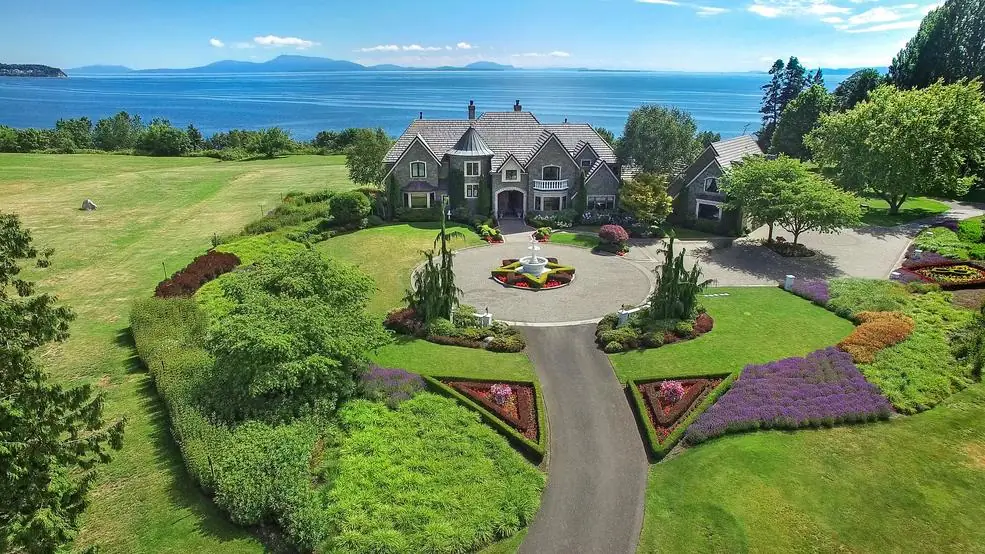
The ecological envelope encompassing high-end residential estates in North America has evolved far beyond conventional ornamental planting. Contemporary property grounds management requires a rigorous synthesis of civil earthmoving, botanical science, and architectural master planning. Across premier residential markets, the outdoor domain functions as an active structural buffer and a calculated extension of interior living spaces, demanding engineering precision that matches structural building standards.
Realizing these complex grounds designs necessitates careful navigation of regional watershed dynamics, expansive soil mechanics, and localized microclimates. Minor oversights in sub-grade drainage, retaining wall anchoring, or irrigation telemetry frequently result in severe slope erosion, soil compaction, and expensive remedial interventions. High-end property development cannot rely on generic landscaping templates. Instead, it demands bespoke engineering that accounts for localized wind shear, frost heave cycles, and watershed management across diverse geographic regions.
Navigating these intricacies involves looking past surface-level styling trends to examine the structural frameworks that support premier grounds environments. The consequences of inadequate long-term planning manifest gradually through vegetative decline, hardscape shifting, and declining asset performance. Evaluating how contemporary residential properties achieve enduring resilience requires analyzing the structural systems, plant selection methodologies, and operational protocols defining the apex of the residential sector.
Understanding “upscale estate landscaping usa”
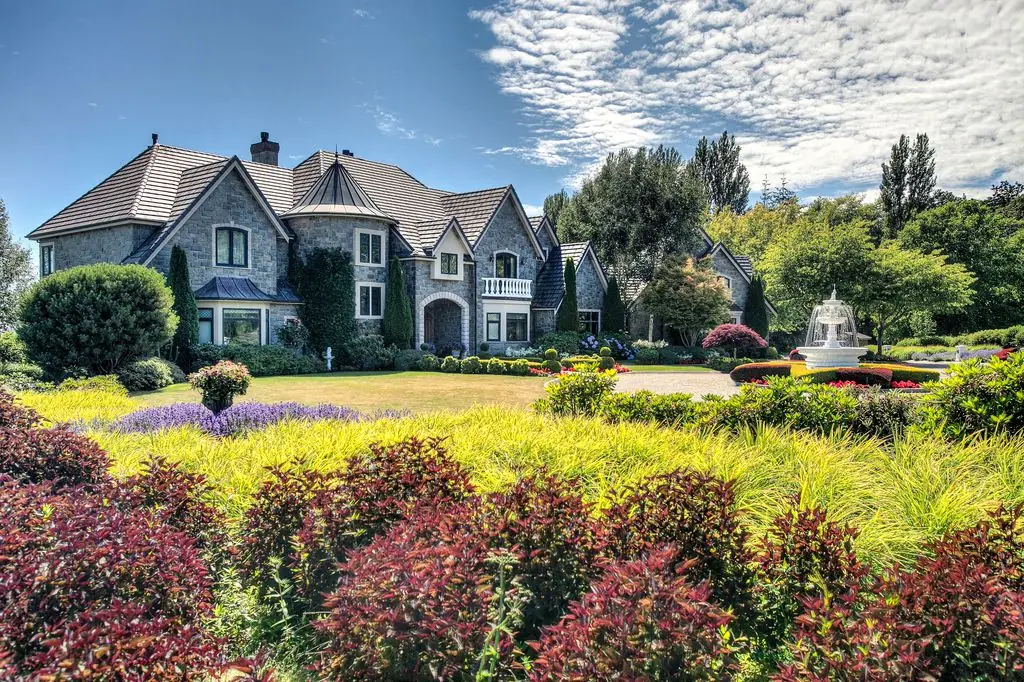
The cultural and architectural phenomenon associated with upscale estate landscaping usa involves navigating a sophisticated marketplace defined by regional architectural vernaculars, high-craft stonemasonry, and custom environmental engineering. Despite common misconceptions, elite property grounds development is not measured by material extravagance or the sheer density of imported specimen trees. Rather, it represents the precise alignment of site capability, botanical suitability, and long-term functional utility. Analyzing this sector reveals a pattern of meticulous sub-grade preparation, advanced hydrological management, and integrated climate control systems tailored to specific environments.
A frequent misunderstanding in high-end property creation is that premier outdoor environments can be forced onto any terrain through heavy earthmoving and standardized luxury packages. In actual practice, elite execution respects native topography and regional climate realities. For example, imposing an intensive, water-intensive formal turf layout and unshaded exotic plantings onto an arid desert environment creates an unsustainable energy drain and rapid vegetative failure. True mastery of upscale estate landscaping usa requires a localized synthesis where regional climate dictates structural engineering, material selection, and water management strategies.
Another layer of complexity involves balancing immediate visual drama with multi-decade botanical and structural maturity. High-end residential projects often prioritize instant aesthetic gratification through mature specimen plantings and complex water features. However, without underground infrastructure planning, rigorous soil conditioning, and accessible utility corridors, these installations invite frequent maintenance disruptions. Consequently, evaluating premier design requires looking past installation-day aesthetics to assess how a property matures, adapts, and maintains structural integrity over time.
Deep Contextual Background: The Evolution of American Estate Grounds
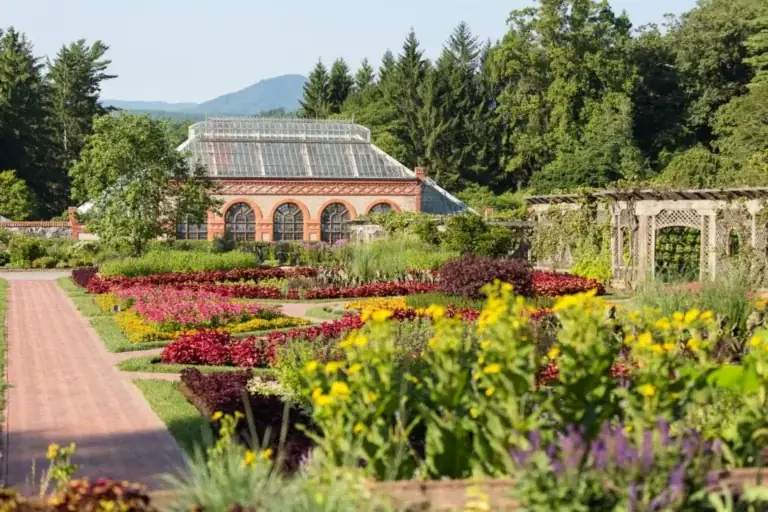
The lineage of high-end domestic grounds design in North America draws from diverse historical traditions, including European formal garden layouts, early colonial agrarian planning, and the mid-century architectural movements of the American West. As industrial wealth expanded during the Gilded Age, estate grounds adopted grand axes, parterres, and expansive lawns modeled after European châteaux. This era established the precedent for large-scale earthmoving and formal landscape symmetry as primary indicators of elite status.
Mid-century modernism disrupted this classical paradigm by introducing indoor-outdoor fluidity, minimal structural framing, and an embrace of regional minimalism. Architects like Richard Neutra and Frank Lloyd Wright dissolved boundaries using cantilevered overhangs, expansive glass walls, and native stone terraces that interacted directly with natural topography. This period redefined high-end design by prioritizing spatial continuity, human comfort, and environmental integration over rigid formal grandeur.
Contemporary elite development synthesizes these historical currents with advanced smart-home automation and rigorous ecological engineering. Modern energy codes, water conservation mandates, and changing lifestyle patterns have transformed sustainability from an optional feature into a core design driver. Today, achieving elite status requires balancing monumental architectural hardscapes with advanced resource management, environmental stewardship, and seamless technological integration.
Conceptual Frameworks and Mental Models
Designing and evaluating premier outdoor grounds requires structured mental models that synthesize architecture, civil engineering, and environmental horticulture.
The Macro-To-Micro Watershed Integration Model
This model conceptualizes the entire estate as an integrated hydrological basin. Surface runoff, roof catchment, deep-soil percolation, and engineered bioswales are balanced internally to eliminate municipal reliance while preventing erosion or flooding across sloped topography.
The Vegetative Succession and Canopy Continuum
Planting palettes are designed with multi-decade maturity in mind. This mental model tracks how understory shrubs, specimen trees, and perennial groundcovers interact as they grow, accounting for shifting shade patterns, root competition, and seasonal aesthetic transitions.
The Soil Biology and Root-Zone Resiliency Framework
Elite grounds design prioritizes sub-grade soil health over surface planting depth. This framework evaluates mycorrhizal networks, soil compaction indices, and aeration channels to ensure root systems achieve deep anchorage and drought resistance.
The Multi-Decadal Hardscape Aging Curve
Elite design accounts for how natural stone, architectural metals, and compacted gravel paths weather under ultraviolet exposure, freeze-thaw cycles, and heavy estate traffic over twenty to fifty years. Mental modeling projects patina development rather than masking natural wear.
Key Categories or Variations of Grounds Design Paradigms
Elite grounds development manifests in distinct regional and stylistic variations, each presenting unique engineering challenges and aesthetic trade-offs.
-
Coastal Maritime Dunes: Engineered to withstand salt spray, high wind loads, and shifting sandy soils using salt-tolerant native grasses and deep stabilization pilings.
-
Arid Desert Xeriscapes: Focused on thermal mass management, native succulent installations, low-water drip irrigation grids, and stabilized decomposed granite paths.
-
Alpine Mountain Slopes: Integrated with heavy snow-load retaining systems, boulder outcroppings, and cold-hardy conifer plantings to handle severe freeze-thaw cycles.
-
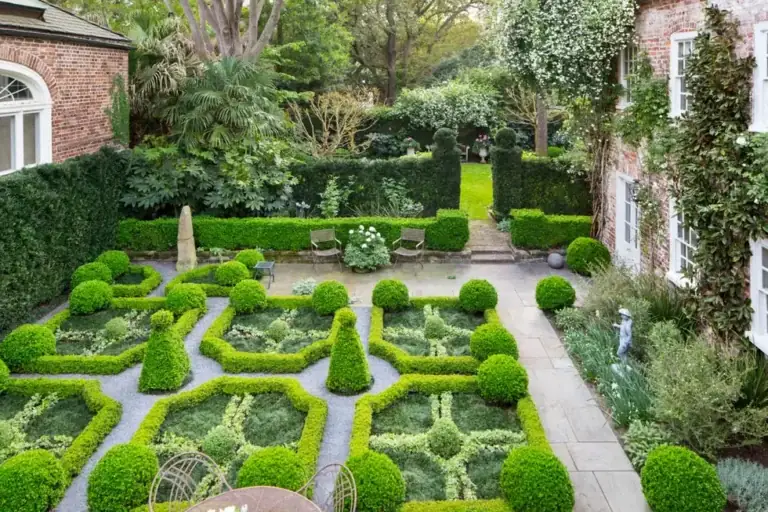
New England Formal Estates: Emphasizes historic stone masonry, sheltered garden rooms, precise turf panels, and mature deciduous canopy trees requiring seasonal upkeep.
-
Southern Coastal Compounds: Features multi-tier shaded live oak canopies, high-humidity drainage systems, expansive turf panels, and intricate brick hardscapes.
-
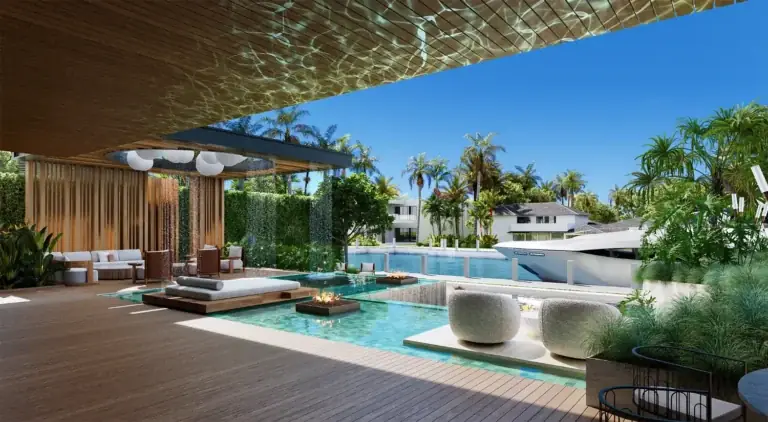
Contemporary Metropolitan Compounds: Utilizes lightweight structural planting beds, vertical green walls, linear water features, and custom privacy screening within secure perimeters.
| Design Paradigm | Primary Environmental Challenge | Structural Focus | Maintenance Complexity |
| Coastal Maritime | Salt corrosion & wind shear | Deep pilings & salt-tolerant plantings | High |
| Arid Desert | Extreme thermal flux & solar radiation | Shade engineering & drip automation | Moderate to High |
| Alpine Mountain | Snow load & freeze-thaw heaving | Boulder retaining & cold-hardy selection | Moderate |
| New England Classical | Frost heave & seasonal moisture | Sub-base stabilization & masonry | High |
| Southern Coastal | High humidity & intense root pressure | Surface drainage & root barrier grids | Very High |
| Metropolitan Compound | Weight restrictions & limited access | Container structural slabs & screening | Moderate |
Realistic Decision Logic for Estate Master Planning
When initiating a premier grounds overhaul, the choice between formal parterres, naturalistic woodlands, or functional recreation zones depends on site topography and prevailing climate. If a property features steep slopes or high wind exposure, priority must shift to civil terracing, structural retaining walls, and wind-buffering shelterbelt plantings before any surface lawns or decorative gardens are installed. Conversely, on flat infill lots, the focus shifts to privacy screening, acoustic dampening, and high-craft hardscape detailing.
Detailed Real-World Scenarios and Case Analyses
Examining specific real-world operational scenarios illustrates how elite grounds design principles intersect with physical site constraints and complex client demands.
A : The Coastal Bluff Erosion Control
An oceanfront estate in Maine requires stabilizing a steep eroding cliff face while maintaining unobstructed ocean views from the primary lawn.
-
Constraint: High velocity wind loads, severe coastal storm surges, and strict environmental setbacks prohibiting hard concrete seawalls.
-
Decision Point: Implementing a terraced bio-engineered root-mat matrix combined with deep soil nails versus constructing a massive rip-rap boulder wall.
-
Failure Mode: Utilizing shallow-root turfgrass on the slope edge, leading to catastrophic slope slippage during winter nor’easters.
-
Second-Order Effect: Loss of property acreage, expensive emergency stabilization, and strict municipal scrutiny over environmental degradation.
B : The Desert Estate Drainage & Flash Flood Management
A luxury compound in Arizona experiences severe flash flooding across its manicured gravel and succulent grounds during intense monsoon storms.
-
Constraint: Impervious caliche sub-layers preventing standard deep percolation of rainwater.
-
Decision Point: Installing an expansive network of dry creek beds and underground retention vaults versus grading the entire property flat.
-
Failure Mode: Relying on standard surface grading, which accelerates water velocity and strips away decorative gravel and topsoil.
-
Second-Order Effect: Extensive erosion, plant uprooting, and deposition of silt across hardscape courtyards.
C : The Mountain Chalet Slope Drainage
A luxury mountain retreat in Aspen experiences severe patio heaving and subsurface water pooling during the spring snowmelt cycle.
-
Constraint: Steep topographical grade preventing standard gravity-fed discharge lines.
-
Decision Point: Installing an extensive sub-slab French drain network tied to an engineered lift station versus surface regrading.
-
Failure Mode: Surface grading adjustments alone, which ignore subsurface sheet flow moving directly over bedrock toward the foundation.
-
Second-Order Effect: Persistent freeze-thaw paver displacement, stone cracking, and potential water infiltration into lower-level structures.
D : The Historic Estate Root Protection
An estate in Virginia featuring centuries-old white oaks undergoes a major hardscape renovation involving new utility trenching near root zones.
-
Constraint: Protecting irreplaceable specimen trees from root severance and soil compaction.
-
Decision Point: Utilizing pneumatic air-spADE excavation and directional boring beneath root zones versus traditional open-trench backhoe digging.
-
Failure Mode: Severing major structural roots and compacting soil with heavy machinery, inducing delayed canopy dieback.
-
Second-Order Effect: Irreversible loss of heritage trees, severe aesthetic devaluation of the estate grounds, and high tree removal costs.
Planning, Cost, and Resource Dynamics
Executing projects within the high-end residential grounds sector involves balancing substantial capital outlays with ongoing operational resource requirements. Underestimating the long-term maintenance infrastructure frequently leads to rapid aesthetic and structural decline.
Direct costs encompass specialized horticultural design fees, heavy machinery operation, specimen tree acquisition, custom stone masonry, and advanced irrigation telemetry. Indirect costs include continuous turf management, seasonal pruning, organic fertilization, pest control, and specialized equipment maintenance. Opportunity costs involve the temporary disruption of estate utility and capital tied up during multi-year phased construction cycles.
Variability in project expenditure is heavily driven by site logistics and bespoke horticultural sourcing. Properties with difficult topography, remote geographic locations, or restricted access inflate labor and material transport costs significantly.
| Resource Tier | Primary Capital Focus | Typical Maintenance Burden | Ideal Property Scale |
| Bespoke Residential | Custom gardens, patios, lighting arrays | Moderate (Bi-weekly grounds crew) | 0.5 to 2 Acres |
| Grand Estate Compound | Acreage formal lawns, orchards, ponds | High (Weekly specialized maintenance) | 5 to 20 Acres |
| Ultra-Prime Trophy Acreage | Helipads, multi-zone compounds, woodlands | Very High (Full-time resident staff) | 20+ Acres |
Tools, Strategies, and Support Systems
Executing premier grounds construction requires specialized instruments and advanced technological systems that ensure millimeter precision and long-term asset health.
-
3D Terrain Laser Scanners & Drone Photogrammetry: Captures exact topographical data to plan complex drainage grids and hardscape layouts without manual surveying errors.
-
Computer-Controlled Irrigation Telemetry: Centralized smart controllers adjusting water output automatically based on live local evapotranspiration and temperature data.
-
Pneumatic Air-Spade Excavation Units: Non-destructive soil excavation tools using compressed air to expose tree roots without physical damage.
-
Subsurface Thermal Radiant Heating Grids: Integrated glycol tubing networks installed beneath stone patios and entry drives to melt snow automatically during winter months.
-
Geotextile Stabilization Fabrics & Cellular Confinement: High-strength synthetic matrices used to lock steep slopes and vehicular driveways in place against erosion.
-
Low-Voltage Architectural LED Mapping Systems: Precision-engineered lighting arrays featuring custom beam spreads and color-rendering indexes designed to highlight canopy architecture at night.
-
Subsurface Drainage Diverters & Retention Cisterns: Large subterranean storage tanks capturing storm runoff for timed, pressurized landscape irrigation reuse.
-
Acoustic Sound-Dampening Baffle Panels: Integrated architectural louvers and living green walls designed to mitigate ambient traffic noise in high-end residential settings.
Risk Landscape and Failure Modes
Neglecting systematic design protocols across high-end properties introduces severe structural, ecological, and financial risks that compound over time.
Compounding Risks in Grounds Development
-
Subsurface Hydrostatic Fracturing: Inadequate sub-grade drainage leads to water accumulation behind retaining walls and beneath stone paving, causing catastrophic structural blowouts during freeze-thaw cycles.
-
Thermal Expansion Material Buckling: Installing rigid stone pavers without proper expansion joints under extreme temperature fluctuations results in tenting, cracking, and surface failure.
-
Irrigation System Saturated Anaerobiosis: Over-watering combined with poor soil drainage suffocates plant root systems, promoting root rot and pathogen proliferation.
-
Hardscape Foundation Settlement: Failing to compact sub-base aggregate in structural lifts beneath costly stone courtyards causes uneven settling, gas line shearing, and trip hazards.
-
Regulatory Environmental Non-Compliance: Unpermitted earthmoving, wetland encroachment, or improper runoff management near protected watersheds triggers severe municipal fines and mandatory teardown orders.
Governance, Maintenance, and Long-Term Adaptation
Maintaining an elite grounds environment requires a structured operational cadence. Weather, biological activity, and mechanical loads continuously impact structural surfaces and plant health. Establishing a rigorous review cycle ensures minor shifts are corrected before evolving into systemic failures.
Monitoring and Review Cycles
-
Seasonal Horticultural & Soil Audits: Inspect plant health, nutrient levels, and soil compaction indices thoroughly each spring and autumn.
-
Structural Masonry & Paving Surveys: Monitor structural stone surfaces annually for signs of joint separation, efflorescence, or sub-base settling.
-
Canopy and Shade Structure Inspections: Conduct professional engineering assessments biannually on pergolas, trellises, and heavy timber framing to verify fastener integrity.
Adjustment Triggers and Layered Checklist
-
Drainage channels or French drains fail to clear standing water within 24 hours of a major storm event.
-
Efflorescence or structural cracking appears on architectural stone retaining walls or patio joints.
-
Canopy dieback or chlorosis appears on specimen trees, indicating root stress or nutrient deficiency.
-
Automated irrigation or lighting systems experience intermittent signal failure or voltage drops.
Measurement, Tracking, and Evaluation Metrics
Evaluating the long-term success of premier property grounds management requires tracking both quantitative operational metrics and qualitative aesthetic standards.
Quantitative Indicators
-
Water Efficiency Index: Tracking total irrigation water consumption relative to local evapotranspiration rates across annual maintenance cycles.
-
Soil Organic Matter Percentage: Measured via laboratory soil tests to ensure continuous improvement in microbial health and fertility.
-
Asset Valuation and Retention: Assessing the structural integrity and market valuation impact of permanent grounds investments over multi-year periods.
Qualitative Signals
-
Seamless, uncompromised visual continuity between interior flooring levels and exterior hardscape paving.
-
Consistent canopy vigor, deep green foliage coloration, and absence of pest infestations across specimen plantings.
-
Pristine, crisp vertical and horizontal alignment across all turf borders, hardscape edges, and architectural shadow lines.
Documentation Examples
-
Estate Master Drainage & Utility Ledger: A certified engineering record tracking exact underground gas lines, electrical conduits, and drainage pipe runs.
-
Horticultural Asset Maintenance Register: A comprehensive digital database recording planting dates, pruning schedules, fertilizer applications, and health histories for all specimen trees.
-
Seasonal Environmental Adaptation Checklist: A formal protocol document outlining steps for winterizing tender plants, covering custom furniture, and adjusting irrigation telemetry.
Common Misconceptions and Oversimplifications
The high-end grounds design sector is frequently clouded by persistent myths and flawed shortcuts regarding maintenance complexity and plant selection.
-
Myth: “Native plants require zero irrigation or maintenance once established.”
-
Correction: While native plants exhibit high resilience, newly installed specimens require intensive irrigation during establishment phases, and manicured estate settings require ongoing pruning and weed control.
-
-
Myth: “Smart automation systems completely eliminate the need for manual grounds monitoring.”
-
Correction: While automation optimizes irrigation and lighting, mechanical failures, sensor calibration drift, and plant disease require continuous human oversight and manual intervention.
-
-
Myth: “Stone paving installed over a compacted soil base requires no concrete sub-slab.”
-
Correction: High-end estate paving subject to heavy vehicular traffic or freeze-thaw cycles requires engineered reinforced concrete sub-slabs to prevent uneven settling.
-
-
Myth: “Large trees can be transplanted anywhere on an estate without long-term stress.”
-
Correction: Specimen tree relocation induces severe shock; successful integration requires root-pruning years in advance, specialized transport, and intensive post-plant monitoring.
-
-
Myth: “Landscape design is finalized on the day construction concludes.”
-
Correction: Elite estate grounds are dynamic biological environments that require continuous material conditioning, seasonal pruning, and proactive ecological management.
-
-
Myth: “Synthetic turf completely eliminates long-term estate maintenance costs.”
-
Correction: High-end synthetic installations require specialized cleaning, infill replenishment, thermal cooling management, and eventual seam repair.
-
Ethical, Practical, and Contextual Considerations
Developing extensive estate grounds in contemporary North America involves navigating complex ecological and communal responsibilities. Large-scale hardscaping and expansive lawns alter natural watershed behaviors, potentially increasing stormwater runoff loads on municipal storm sewer systems if mitigation measures are omitted. Responsible property design incorporates on-site retention basins, permeable paving systems, and bioswales that manage water locally rather than shifting burdens downstream.
Furthermore, integrating high-intensity architectural lighting requires careful calibration to prevent light pollution and disruption of local nocturnal wildlife corridors. Ethical stewardship in elite property development balances the homeowner’s desire for aesthetic drama with regional resource preservation, native biodiversity protection, and adherence to environmental zoning laws. Addressing these factors ensures that high-end residential projects remain sustainable, responsible additions to their surrounding ecosystems over the long term.
Conclusion
Achieving the standard associated with upscale estate landscaping usa requires an unwavering commitment to structural rigor, horticultural science, and refined craftsmanship. By integrating civil engineering principles with sophisticated botanical design, premier properties transcend temporary aesthetic trends to become enduring domestic assets. Navigating this complex domain demands patience, technical expertise, and an understanding that true estate luxury is rooted in the seamless harmony between human comfort and ecological integrity.