How to Reduce Irrigation Water Waste: Expert Guide to Smart Watering
Residential and commercial irrigation systems frequently operate as uncalibrated resource sinks. Property owners install automated timer grids under the assumption that uniform water distribution equates to botanical health, ignoring the complex biological interactions happening beneath the soil surface. Consequently, millions of gallons of potable water evaporate, run off property boundaries, or leach deep past root zones daily.
Addressing this systemic inefficiency requires a complete paradigm shift in how moisture is measured and delivered to living landscapes. Water conservation in modern grounds management is not merely a matter of shortening timer durations or banning mid-day watering. True resource stewardship demands an intricate synchronization of microclimates, soil infiltration rates, plant evapotranspiration metrics, and advanced mechanical calibration.
Mastering how to reduce irrigation water waste involves navigating engineering, agronomy, and digital control systems simultaneously. Property owners who approach water conservation as a mechanical science rather than a passive chore protect municipal water reserves while fostering deeper, more resilient root architectures across their acreage.
Understanding “how to reduce irrigation water waste”
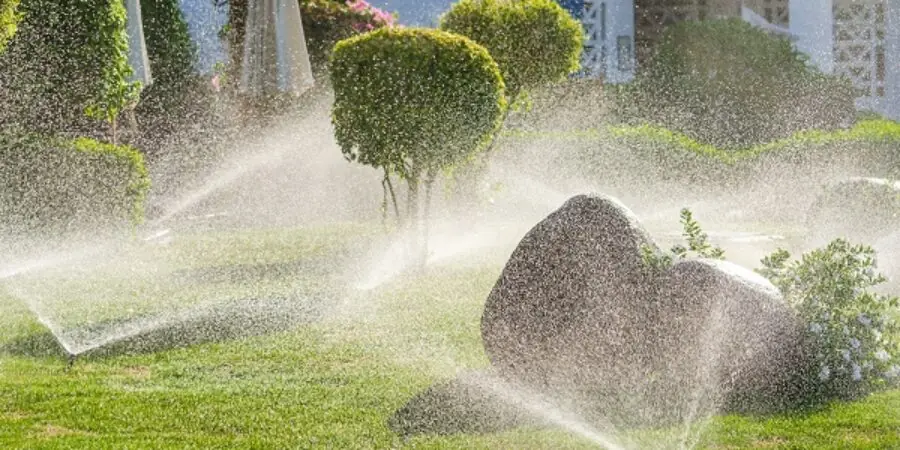
At its core, understanding how to reduce irrigation water waste requires analyzing the thermodynamic and physical friction points where water fails to reach plant root structures. A prevalent misconception is that turning down irrigation timers universally saves water without altering plant health. In practice, arbitrary run-time reductions often cause shallow, drought-vulnerable root systems if irrigation cycles become too brief to penetrate deep sub-surface soil layers.
Oversimplifying water conservation leads to counterproductive outcomes across diverse landscapes. For instance, replacing traditional spray heads with high-efficiency rotary nozzles without recalibrating zone run times can cause localized over-saturation if delivery rates mismatch soil infiltration capacities. Furthermore, relying entirely on weather-based smart controllers without verifying local site soil moisture sensors frequently results in algorithmic drift, where controllers water based on regional weather station estimates that differ entirely from local microclimate realities.
A rigorous approach to how to reduce irrigation water waste mandates treating every irrigation zone as an isolated hydrologic unit. Soil compaction, slope angle, sun exposure, and wind vectors dictate exact moisture requirements. By tailoring water delivery to empirical soil data rather than generalized calendar schedules, property managers eliminate over-watering while improving overall plant vigor.
Deep Contextual Background
The evolution of landscape irrigation reflects the broader history of agricultural engineering, municipal water rights, and suburban development over the past century. Throughout the early twentieth century, estate watering relied on manual hose deployment and rudimentary furrow or flood systems, which demanded high labor inputs but naturally encouraged deep root growth through infrequent, heavy soakings.
The post-war suburban expansion popularized automated pop-up sprinkler systems, shifting the cultural baseline toward pristine, emerald-green turfgrass maintained through effortless, timer-driven automation. This convenience-driven era divorced property owners from the physical realities of water consumption, fostering systemic over-irrigation. As municipal reservoirs dwindled and groundwater tables dropped under urban sprawl, water districts began imposing strict consumption quotas and drought surcharges.
In contemporary property management, climate volatility and high-frequency weather extremes have forced a technological and regulatory reckoning. Modern smart irrigation networks must comply with municipal efficiency mandates, digital flow-monitoring requirements, and watershed protection acts. Consequently, mastering how to reduce irrigation water waste is no longer optional; it represents an essential technical competency for sustainable estate management.
Conceptual Frameworks and Mental Models
Optimizing water delivery across complex properties requires robust mental models that clarify how water moves through atmosphere, soil, and biological tissue.
The Evapotranspiration (ET) Balance Model
This framework views landscape water management as a continuous ledger balancing atmospheric water loss (evaporation from soil plus transpiration from plant leaves) against incoming precipitation and controlled irrigation. Aligning irrigation schedules with real-time ET data ensures water is applied only to replace what has physically left the system.
The Soil Infiltration Ceiling
This mental model dictates that water must never be applied faster than the underlying soil can absorb it. If a sprinkler system delivers water at 1.5 inches per hour onto compacted clay with an infiltration ceiling of 0.3 inches per hour, the excess 1.2 inches transforms immediately into wasteful surface runoff.
The Root-Zone Depletion Horizon
This model prioritizes deep, infrequent irrigation cycles over frequent shallow sprinkles. By allowing soil moisture to deplete to targeted stress thresholds before cycling water back to field capacity, property managers force roots to dive deep, increasing drought resilience.
-
Limitations of Mental Models: Theoretical water balances assume uniform soil composition and flawless mechanical distribution. Hidden soil lenses, broken sprinkler heads, and localized wind distortion frequently invalidate pure mathematical ET calculations.
Key Categories or Variations of Efficiency Interventions
Mitigating water waste requires deploying targeted technical upgrades that address distribution uniformity, scheduling precision, and delivery mechanics.
| Category | Primary Mechanism | Best Suited For | Key Financial Trade-off |
| Multi-Stream Rotary Nozzles | Slow, rotating streams of large water droplets resistant to wind drift | Large turf zones and rolling lawns | Higher initial component cost than standard spray heads |
| Subsurface Drip Irrigation (SDI) | Emitter tubing buried beneath soil or mulch directly targeting roots | Shrub beds, narrow strips, and urban borders | Complex repair logistics if lines are accidentally punctured |
| Smart ET Controllers | Automated controllers adjusting schedules via local weather or sensor data | Properties with variable microclimates and large zones | Requires technical configuration and occasional Wi-Fi troubleshooting |
| Real-Time Soil Moisture Sensors | Dielectric sensors cutting off cycles when root zones are saturated | High-value planting beds and slopes prone to runoff | Battery replacement cycles and physical wire vulnerability |
| Master Valve and Flow Sensors | Electronic shut-off valves detecting sudden line breaks or leaks | Extensive commercial and luxury residential estates | High equipment investment and professional plumbing labor |
| Pressure Regulation Components | Built-in regulator stems maintaining optimal 30–45 PSI at heads | Sloped zones experiencing extreme pressure variance | Requires accurate baseline pressure testing across all zones |
Decision Logic for Efficiency Intervention Selection
-
Audit Existing Distribution Uniformity: Perform catch-cup tests across all zones to identify dry spots, misting heads, and pressure imbalances before purchasing hardware.
-
Match Delivery to Planting Type: Separate high-water turf zones from drought-tolerant perennial beds onto independent irrigation valves.
-
Prioritize Leak Detection Over Upgrade: Install master flow sensors before investing in cosmetic upgrades, as underground mainline leaks waste more water than inefficient nozzles.
Detailed Real-World Scenarios
The practical application of water-saving strategies varies widely depending on regional climate, soil texture, and site topography. The following scenarios illustrate how complex site variables interact.
A : Sloping Commercial Turf Zone with Chronic Runoff
-
Constraints: A sloping corporate lawn features high-pressure spray heads that mist heavily in afternoon winds, washing water down onto concrete parking lots.
-
Decision Points: Choosing between installing pressure-compensating rotary nozzles with multi-cycle run times versus completely tearing out turf to install rock gardens.
-
Failure Modes: Running a single 30-minute irrigation cycle on clay-heavy slopes, causing 25 minutes of surface runoff once the soil infiltration capacity is reached in the first 5 minutes.
-
Second-Order Effects: Programming a cycle-and-soak schedule (three 8-minute cycles spaced two hours apart) allows complete soil infiltration, eliminating parking lot runoff and encouraging deep turf rooting.
B : Mixed Shrub Bed with Overhead Spray Waste
-
Constraints: Mature ornamental shrubs block traditional pop-up spray heads, creating dry shadows where water hits foliage instead of reaching soil beds.
-
Decision Points: Weighing the ongoing labor of hand-pruning shrubs against retrofitting the zone with subsurface inline drip tubing.
-
Failure Modes: Leaving old spray heads active while capping some off haphazardly, resulting in unbalanced hydraulic pressure and broken pipe risers.
-
Second-Order Effects: Converting the zone to pressure-compensating inline drip lines eliminates leaf wetness diseases, stops weed germination in open mulch, and cuts zone water use by half.
C : Large Residential Estate with Unchecked Mainline Leaks
-
Constraints: An expansive multi-acre estate experiences unexplained water bill spikes, but visual inspection reveals no surface puddles or broken sprinkler heads.
-
Decision Points: Deciding between manual valve box inspections across miles of piping versus installing an automated master flow meter with auto-shutoff capabilities.
-
Failure Modes: Digging up random lawn sections searching for leaks without pressure-testing individual isolation zones first.
-
Second-Order Effects: Installing a digital flow sensor tied to the main controller isolates a severed lateral line beneath a driveway, stopping thousands of gallons of hidden subterranean waste instantly.
D : Arid Region Residential Property with Fixed Spring Timers
-
Constraints: A homeowner runs irrigation timers on a static Monday-Wednesday-Friday schedule year-round, over-watering during cool spring rains and under-watering during summer heatwaves.
-
Decision Points: Weighing the inconvenience of manually adjusting timers bi-weekly against upgrading to an intelligent weather-based smart controller.
-
Failure Modes: Relying on default smart controller settings without inputting exact soil retention data, causing the system to underwater sandy loam soils during high-wind events.
-
Second-Order Effects: Integrating a weather-indexed smart controller paired with an on-site solar radiation sensor dynamically scales watering durations, slashing municipal water usage during seasonal weather shifts.
Planning, Cost, and Resource Dynamics
Executing a comprehensive water conservation retrofit involves balancing direct equipment expenditures against long-term utility savings and ongoing maintenance overhead.
Direct Costs
-
Smart Irrigation Controllers: Wi-Fi enabled controllers with local weather API integration and sensor inputs.
-
High-Efficiency Nozzles and Heads: Rotary multi-stream nozzles, pressure-regulating stems, and check-valve components.
-
Flow Sensors and Master Valves: Industrial-grade electronic monitoring hardware and brass shut-off valves.
Indirect and Opportunity Costs
-
Professional Irrigation Audit Fees: Retaining certified irrigation auditors to conduct catch-cup distribution uniformity tests.
-
Retrofit Labor Expenses: Excavation and plumbing costs required to convert overhead spray zones to subsurface drip lines.
-
Opportunity Cost of Turf Stress: Managing temporary aesthetic brownout periods during transition phases while deep root systems establish.
| Project Phase / Scope | Typical Cost Variance (%) | Primary Cost Driver | Optimization Leverage |
| System Auditing & Pressure Testing | 5% – 15% | Professional auditor rates & diagnostic tools | DIY catch-cup testing kits |
| Controller & Sensor Upgrades | 15% – 30% | Smart hardware tier & subscription software | Choosing local weather-indexed over proprietary fee models |
| Nozzle & Head Retrofitting | 20% – 40% | Total zone head count & labor hours | Bulk purchasing and gradual zone-by-zone replacement |
| Subsurface Drip Conversion | 35% – 55% | Trenching length, emitter line volume, & fittings | Utilizing existing lateral lines for mainline feeds |
Tools, Strategies, and Support Systems
Executing an advanced water-reduction strategy requires specialized testing equipment, physical tools, and operational support systems.
-
Catch-Cup Testing Kits: Plastic graduated cylinders placed in a grid pattern across a zone to measure precipitation rates and distribution uniformity mathematically. Limit: Wind gusts during testing skew collection volumes, requiring calm weather conditions.
-
Pitot Tubes and Pressure Gauges: Mechanical gauges attached directly to sprinkler nozzles to measure working water pressure under dynamic flow conditions. Limit: Requires piercing rubber seals or removing nozzles, risking thread damage if over-tightened.
-
Soil Core Samplers: T-handle metal probes used to extract vertical soil columns to visually verify moisture penetration depth post-irrigation. Limit: Difficult to drive into heavily compacted clay or rocky sub-soils.
-
Thermal Imaging Infrared Cameras: Handheld sensors used to detect dry soil stress zones and malfunctioning subsurface drip lines before visible turf wilt occurs. Limit: Surface solar reflection on hardscapes can mask subsurface thermal anomalies.
-
Digital Multimeters: Electrical testing tools used to diagnose solenoid valve resistance, wiring shorts, and transformer output voltages. Limit: Requires baseline understanding of AC electrical circuits to interpret readings correctly.
-
Water Flow Meter Data Loggers: Temporary or permanent meters tracking real-time gallons-per-minute consumption to establish baseline efficiency metrics. Limit: High equipment acquisition cost for commercial-grade logging units.
Risk Landscape and Failure Modes
Failing to account for mechanical and agronomic risks during an irrigation retrofit can result in severe plant loss and equipment damage.
-
Low-Pressure Atomization: Operating rotary nozzles or spray heads below recommended pressure thresholds (under 30 PSI), causing large droplets to atomize into mist that evaporates instantly in wind. Mitigation: Install pressure-regulating sprinkler bodies and booster pumps where municipal supply pressure is inadequate.
-
Clogged Drip Emitters: Failing to install fine-mesh screen filters or pressure regulators on subsurface drip lines, allowing mineral sediment to clog micro-emitters. Mitigation: Flush drip lines annually and clean disc filters at the zone valve manifold.
-
Over-Reliance on Smart Algorithms: Allowing weather-based controllers to override manual observations without checking actual root-zone moisture levels. Mitigation: Cross-reference smart controller schedules monthly with physical soil core probes.
-
Backflow Contamination: Improperly installing chemigation or fertigation injection systems without certified reduced-pressure principle backflow preventers. Mitigation: Comply strictly with local municipal plumbing codes and mandate annual backflow certification tests.
Governance, Maintenance, and Long-Term Adaptation
Maintaining an efficient irrigation system requires institutionalized audit cycles and proactive mechanical maintenance protocols.
Monitoring and Review Cycles
Property managers should conduct comprehensive seasonal audits—testing head alignment, clearing clogged nozzles, and updating controller watering run times four times annually coinciding with equinox and solstice shifts.
Adjustment Triggers
-
PUD Utility Bill Spikes: Unexplained increases in monthly water consumption signal underground mainline leaks or stuck valve solenoids requiring immediate isolation.
-
Uneven Turf Coloration: Striping or dry arcs in turf zones indicate misaligned sprinkler arcs, broken pop-up stems, or clogged internal screens.
-
Solenoid Valve Failure: Valves failing to shut completely result in continuous overnight weeping and saturated garden beds.
Layered Maintenance Checklist
-
[ ] Clean and inspect all master valve filters and zone inline filters biannually to prevent debris accumulation.
-
[ ] Perform a manual visual audit of every operating zone monthly to check for broken, tilted, or sunken sprinkler heads.
-
[ ] Adjust smart controller seasonal adjustment percentages and cycle-and-soak parameters to match shifting regional evapotranspiration rates.
-
[ ] Test rain sensor and soil moisture sensor electrical cutoff functionality before heavy summer irrigation peaks.
-
[ ] Winterize backflow preventers and mainline systems in freezing climates using compressed air blow-out procedures.
Measurement, Tracking, and Evaluation
Evaluating the success of water conservation efforts requires balancing quantitative utility data with qualitative landscape health signals.
Leading vs. Lagging Indicators
-
Leading Indicators: Soil moisture retention duration, root-zone depth measurements, and catch-cup uniformity coefficients. These metrics predict future water efficiency before utility bills arrive.
-
Lagging Indicators: Total monthly metered water volume, municipal water expenditure totals, and long-term turf weed-to-grass ratios. These metrics measure historical economic and ecological performance.
Qualitative vs. Quantitative Signals
-
Qualitative Signals: Deep green turf coloration, absence of localized stress wilting during afternoon heat peaks, and firm soil structure free of soggy puddling.
-
Quantitative Signals: Gallons consumed per square foot per month, system application efficiency percentage, and total maintenance hours spent on manual valve repairs.
Documentation Examples
-
Irrigation Zone Ledger: A centralized database recording nozzle types, precipitation rates, square footage, and programmed run times for every zone.
-
Water Consumption Trend Chart: Monthly tracking graphs comparing current year utility consumption against historical baseline usage figures.
-
Audit and Maintenance Log: Chronological records documenting catch-cup test results, filter cleaning dates, and component replacement histories.
Common Misconceptions and Oversimplifications
-
Myth: Running sprinklers at night completely eliminates evaporation waste.
-
Correction: While night watering reduces wind and solar evaporation, it keeps turf foliage wet for extended hours, inviting severe fungal diseases like dollar spot and brown patch.
-
-
Myth: Smart controllers require zero human intervention once installed and connected to Wi-Fi.
-
Correction: Algorithms rely on regional weather station data that can differ significantly from microclimate realities, requiring ongoing human calibration and soil moisture checks.
-
-
Myth: Subsurface drip irrigation uses less water because it prevents all forms of moisture loss.
-
Correction: While SDI eliminates surface evaporation, deep percolation losses still occur if run times exceed soil water-holding capacity.
-
-
Myth: Sandy soils and clay soils require identical irrigation scheduling to maintain plant hydration.
-
Correction: Sandy soils have low water-holding capacity and require frequent, short cycles; clay soils have high holding capacity but very low infiltration rates requiring cycle-and-soak timing.
-
-
Myth: A slightly tilted sprinkler head is a purely aesthetic issue that does not affect water distribution.
-
Correction: A head tilted by even fifteen degrees creates severe dry shadows on one side and a pooling quagmire on the other, ruining distribution uniformity.
-
-
Myth: Rain sensors permanently protect a property from over-watering during storms.
-
Correction: Standard disc expansion rain sensors measure only immediate rainfall and do not account for prior soil saturation or ongoing evapotranspiration demand.
-
Ethical, Practical, and Environmental Considerations
Managing outdoor water consumption carries profound civic and ecological responsibilities. Inefficient irrigation practices deplete shared municipal reservoirs, lower regional groundwater tables, and generate contaminated surface runoff loaded with fertilizers and herbicides that pollute local watersheds. Furthermore, luxury over-irrigation during severe regional droughts strains public utility infrastructure and exacerbates equitable water access challenges. True environmental stewardship in landscaping requires transitioning toward hyper-efficient delivery systems, native drought-tolerant plant palettes, and data-driven irrigation management. Property authority is measured not by artificial green perfection, but by achieving biological resilience while respecting regional hydrological limits.
Conclusion
Mastering water conservation across complex residential and commercial grounds requires rigorous mechanical discipline, agronomic insight, and ongoing operational oversight. By replacing static timer schedules with dynamic soil and weather data, property owners eliminate systemic waste while strengthening root architectures. Ultimate success in outdoor water management is achieved through precision calibration, structural integrity, and respect for regional ecology, ensuring that every drop applied secures maximum functional and environmental value.